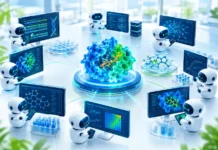
For decades, the bottleneck in drug discovery wasn’t the biology; it was the translation. Getting from a disease hypothesis to a viable therapeutic target required researchers to speak two languages fluently—the molecular grammar of living systems and the computational dialect of machine learning. Insilico Medicine is a clinical-stage AI-driven drug discovery company based in Hong Kong. It has spent years trying to dissolve that divide. Their latest move is the launch of PandaClaw, a new feature within their PandaOmics platform. This might be their most ambitious attempt yet.
A Platform That Thinks Like a Biologist
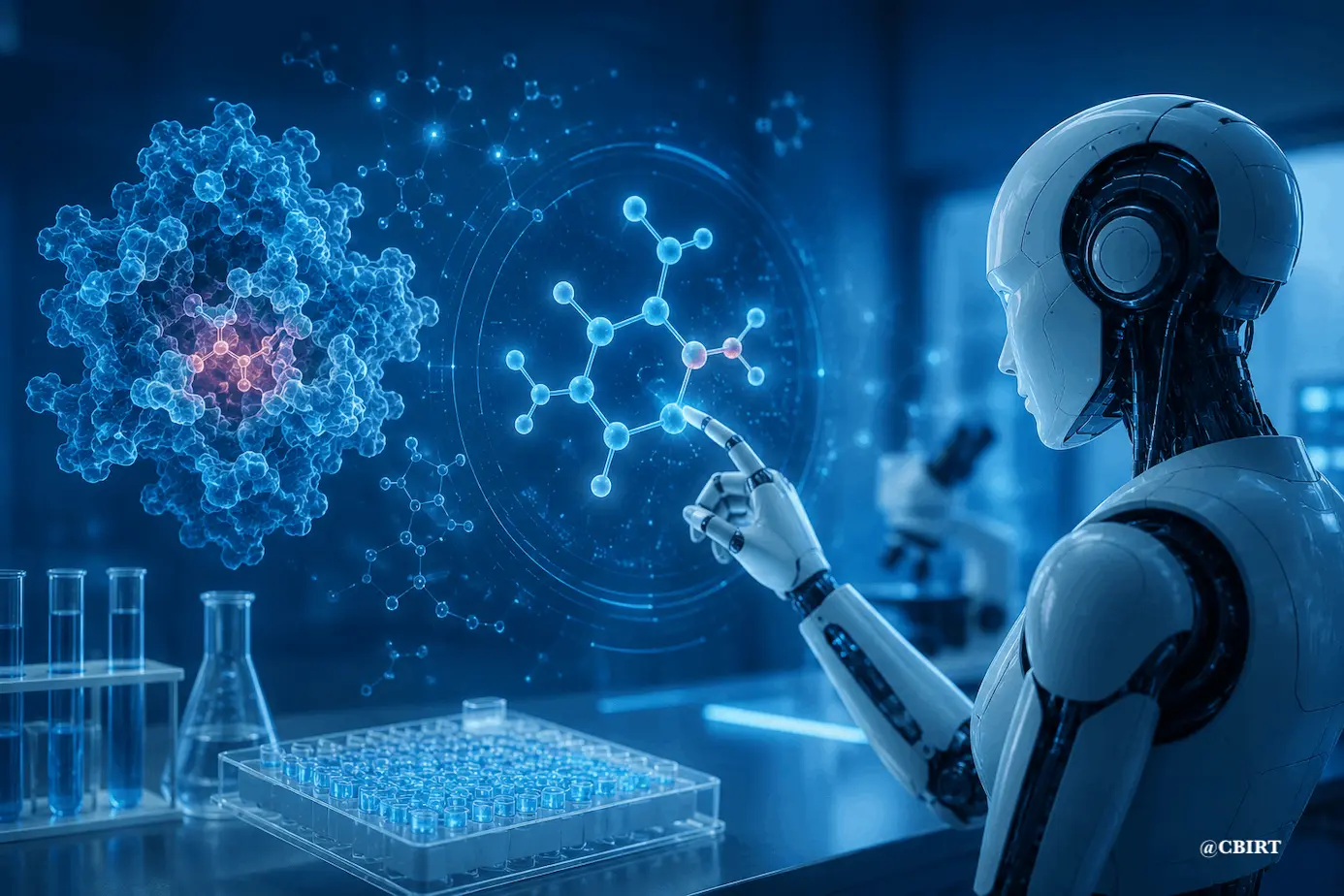
PandaClaw isn’t just another interface slapped onto an existing database. Its architectural philosophy makes it genuinely different. Rather than expecting users to query a system, PandaClaw tries to reason like an experienced biologist. It formulates hypotheses, selects the right analytical tools, cross-references datasets, and then explains what it found and why it matters.
The system is built on LangChain and LangGraph frameworks, two tools that have become foundational in building autonomous AI agents. When a researcher types in a natural-language objective, say, identifying novel targets for a fibrosis indication, PandaClaw parses it into a multi-step analytical workflow, accesses curated multi-omics data warehouses, runs through more than 140 specialized scientific skills and over 1,000 bioinformatics tools, and returns a figure-rich interpretive report. Crucially, it self-corrects formatting errors and data anomalies in an isolated sandbox before anything reaches the user. That last part matters more than it sounds.
Bridging the Bilingual Gap in Drug Discovery
One of the quieter problems in the field has been what Insilico’s team calls the need for “bilingual” professionals, people who are equally comfortable designing wet lab experiments and debugging a Python pipeline. These individuals are rare, expensive, and chronically overextended. PandaClaw’s pitch is that it absorbs much of that computational burden, letting biologists stay in their domain of expertise while still accessing the analytical depth that bioinformatics provides.
Dr. Frank Pun, Head of Insilico Medicine Hong Kong, described PandaClaw not as a search engine but as an autonomous reasoning agent that delivers qualitative real-time multi-omics analyses, interpretations grounded in statistical validation and biological context that, until recently, required significant manual effort to produce.
Three Years in the Making
This launch didn’t arrive in isolation. Inside PandaOmics, it represents the third distinct evolutionary leap. In March 2023, Insilico introduced ChatPandaGPT, which lets users interact with scientific literature and knowledge graphs through conversation. By July 2024, Ask Panda gave users the ability to query Target ID results directly within the platform. PandaClaw, introduced in March 2026, completes that arc, moving from passive querying to active, autonomous biological analysis.
What It Could Mean for Timelines
Insilico’s own track record offers a useful benchmark. Traditional early-stage drug discovery averages around 4.5 years from initiation to preclinical candidate nomination. Between 2021 and 2024, Insilico nominated 20 preclinical candidates with timelines averaging just 12 to 18 months per program, each involving only 60 to 200 synthesized molecules. Whether PandaClaw meaningfully accelerates that further remains to be seen in practice, but the infrastructure it provides is clearly designed with compression of that timeline in mind.
For bench biologists who’ve long felt locked out of computational analysis, PandaClaw arrives as something genuinely worth watching.
Article Source: Reference Article | Website
Disclaimer:
The research discussed in this article was conducted and published by the authors of the referenced paper. CBIRT has no involvement in the research itself. This article is intended solely to raise awareness about recent developments and does not claim authorship or endorsement of the research.
Follow Us!
Learn More:



Anchal is a consulting scientific writing intern at CBIRT with a passion for bioinformatics and its miracles. She is pursuing an MTech in Bioinformatics from Delhi Technological University, Delhi. Through engaging prose, she invites readers to explore the captivating world of bioinformatics, showcasing its groundbreaking contributions to understanding the mysteries of life. Besides science, she enjoys reading and painting.