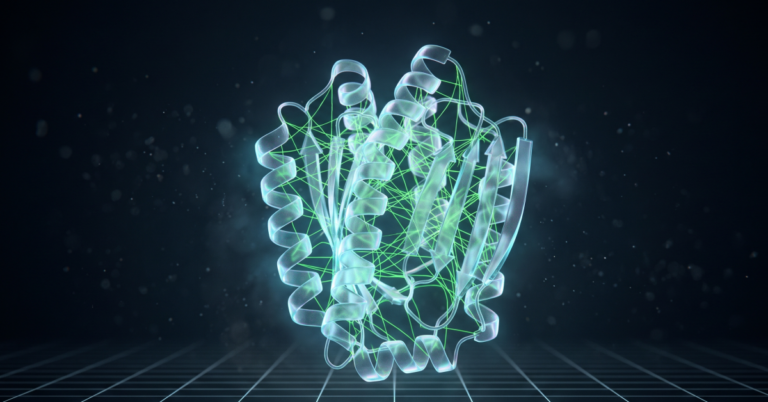
tmol: Rosetta’s Energy Function, Rebuilt on the GPU for Machine Learning
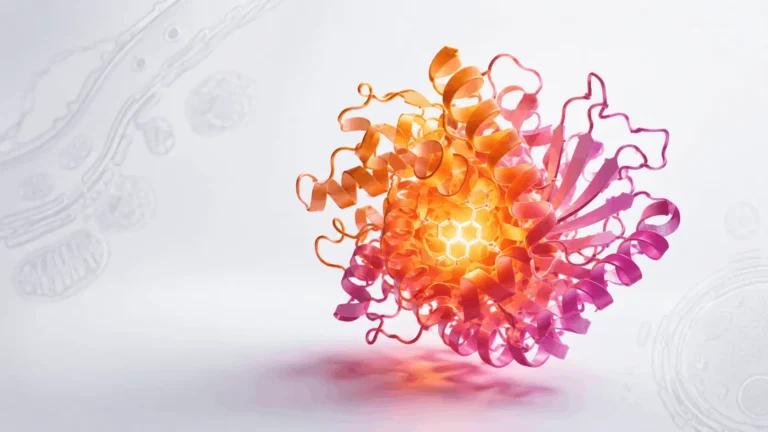
UW’s Institute for Protein Design has released tmol, a GPU-native PyTorch rebuild of Rosetta’s energy function that runs up to 362x faster.
How artificial intelligence is changing biology and medicine, from protein structure prediction to AI-driven drug discovery and genomics.

UW’s Institute for Protein Design has released tmol, a GPU-native PyTorch rebuild of Rosetta’s energy function that runs up to 362x faster.

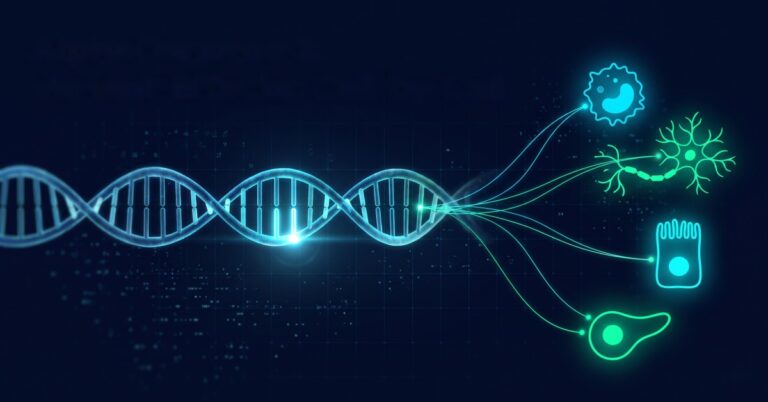
UC Berkeley’s GPN-Star uses whole-genome alignments and species trees to predict variant effects, outperforming larger DNA models on non-coding variants.

DeepMind’s AlphaGenome 2 predicts how non-coding variants change gene regulation in specific cell types. Preprint results, resources and limitations.

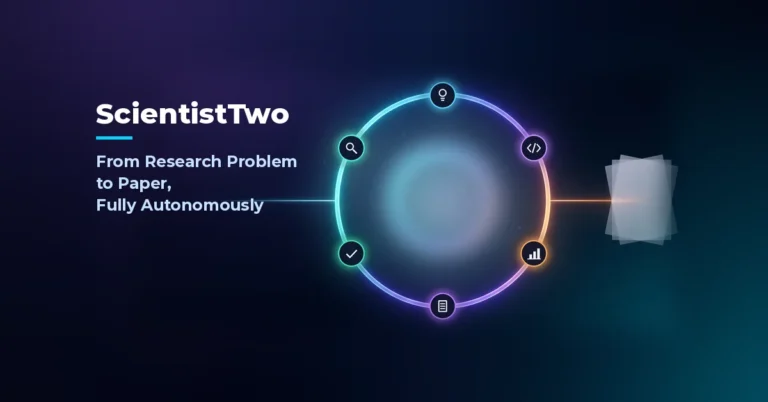
Researchers at Google Cloud AI Research, working with a collaborator at the University of Waterloo, have introduced ScientistTwo, a multi-agent AI system built to take a research problem and return a working codebase and a complete research paper without human intervention. The study was posted as a preprint on arXiv in September 2026 and has…

A team of researchers from Google DeepMind (London and Mountain View), the California Institute of Technology (Pasadena), and the University of Pittsburgh has just shared a bioRxiv preprint that could change how we find enzymes. They introduced AlphaProtein Novo (AP Novo), a machine-learning pipeline for designing enzymes from scratch. First, why enzymes matter Enzymes are…

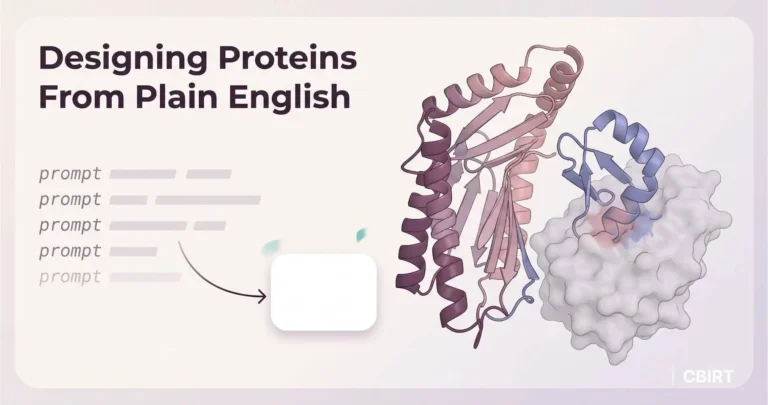
Researchers at the University of Washington, the Allen Institute for AI (Ai2), the National University of Singapore, and the Howard Hughes Medical Institute have developed Prompteina, an AI model that generates complete, all-atom protein structures from natural-language descriptions. Instead of setting up a separate technical input for every design goal, a scientist can simply describe…

Google DeepMind’s SynthID Bio, published in Nature, hides watermarks in AI-designed proteins while preserving binding. How it works and its limits.

Biohub, the U.S. DOE, NIH, Google DeepMind, Isomorphic Labs and Meta expand the Virtual Biology Initiative to about $1.8 billion, aiming to build open, AI-ready datasets for predictive models of human cells.

Ask anyone in pharma why drugs fail, and you’ll hear the same story. Roughly nine out of ten candidates who enter Phase I never reach approval, mostly because they don’t work well enough or turn out to be unsafe. Years of effort and billions of dollars, gone. The research team based at Stanford University (the…

The work behind AlphaGenome Atlas comes from a large team at Google DeepMind, led by researchers working alongside scientists from the University of Exeter Medical School, the Broad Institute of MIT and Harvard, Boston Children’s Hospital, the Stowers Institute for Medical Research, and several other research centers in the US and UK. Together, they have…

OpenAI has introduced Rosalind Workbench, a new research-preview environment available through the ChatGPT app that brings scientific tools, specialized biology models, and data workflows into a single connected space — letting researchers move from a biological question to inspectable evidence without losing the thread between disconnected tools. Scientific research rarely happens inside a single application….

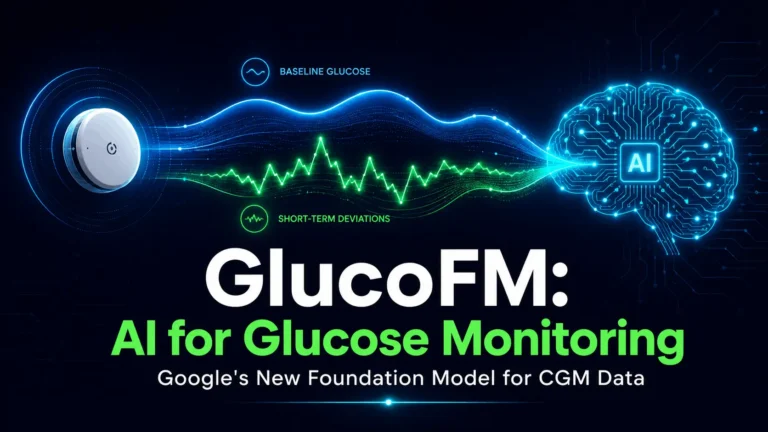
Wearables have gotten remarkably good at estimating how much we move and how well we sleep. But glucose regulation — the hidden machinery behind metabolic health — doesn’t show up directly in motion or heart-rate data. It needs its own signal. That’s where continuous glucose monitors (CGMs) come in, tracking interstitial glucose every few minutes…

Imagine trying to identify every resident of a bustling metropolis from a rooftop, at night, with only a handful of flashlights. That’s essentially the challenge cell biologists face when trying to track individual proteins inside a cell packed with millions of molecular neighbors. A new tool called NovoTags is about to hand researchers a lot…

A team from the FutureHouse, University of Oxford and Fordham University published a paper in Nature describing something that sounds like science fiction but is very real lab work: an AI system that proposed, tested, and refined a new drug candidate for an eye disease almost entirely on its own. The system is called Robin,…

Biology today produces more data than anyone knows what to do with. Sequencers spit out genomes, single-cell experiments generate massive expression matrices, proteomics platforms churn out thousands of protein measurements, and yet, turning all of that into an actual understanding of what is happening inside a cell or a disease remains painfully slow. A team…

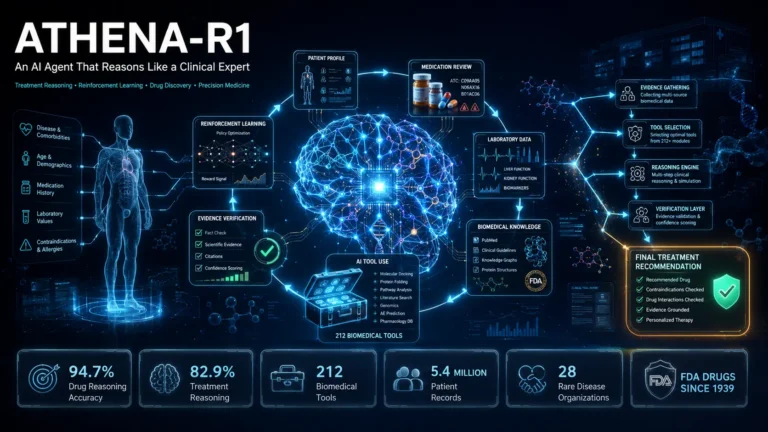
Picking the right treatment for a patient is rarely a one-step decision. A doctor has to think about the disease, the patient’s other health conditions, the drugs they’re already taking, possible interactions, and warnings that keep changing as new research comes out. It’s a slow, careful process of gathering facts before concluding. A team of…

Here’s an uncomfortable question for anyone building AI tools for genomics: can a model tell the difference between a real biological signal and a batch effect? Can it recognize when a QC flag should send it back to the drawing board? Most AI benchmarks test whether a model can execute a known analysis pipeline. Almost…

NVIDIA launched the BioNeMo Agent Toolkit, a set of AI-ready tools that lets AI agents act like scientists by enabling them to choose models, reason across workflows, and execute environments using BioNeMo Skills to run full scientific workflows in pharma, biotech startups, and labs. AI agents are becoming powerful research assistants in the life sciences,…

Artificial intelligence is rapidly becoming an indispensable research partner in the life sciences. But while many AI tools excel at writing code or summarizing papers, scientific discovery demands much more—it requires integrating literature, analyzing complex datasets, running computational workflows, and generating testable hypotheses. That’s where Claude Science enters the picture. Claude Science, which was recently…

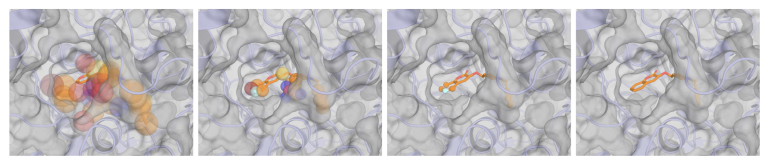
There’s a moment in drug discovery that every medicinal chemist knows well. You’ve found a hit, a molecule that binds to your target, shows early promise, but isn’t quite ready. It might be too big, too greasy, or just structurally awkward. So you strip it down. You keep the core that’s doing the good work,…

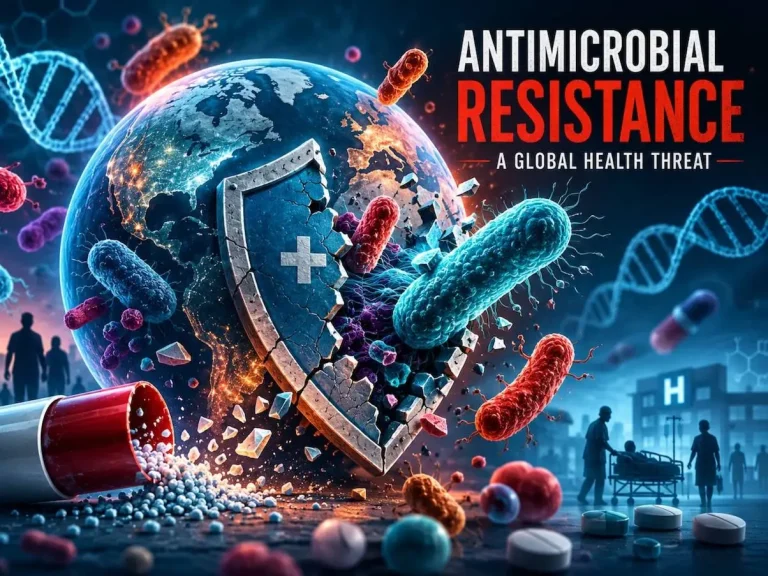
Antimicrobial resistance (AMR) has quietly become one of the defining health crises of our time, undermining the effectiveness of life-saving medicines and putting decades of medical progress at risk. Drug-resistant infections already claim more than 1 million lives each year and contribute to nearly 5 million deaths globally, with projections pointing to a staggering 39 million…

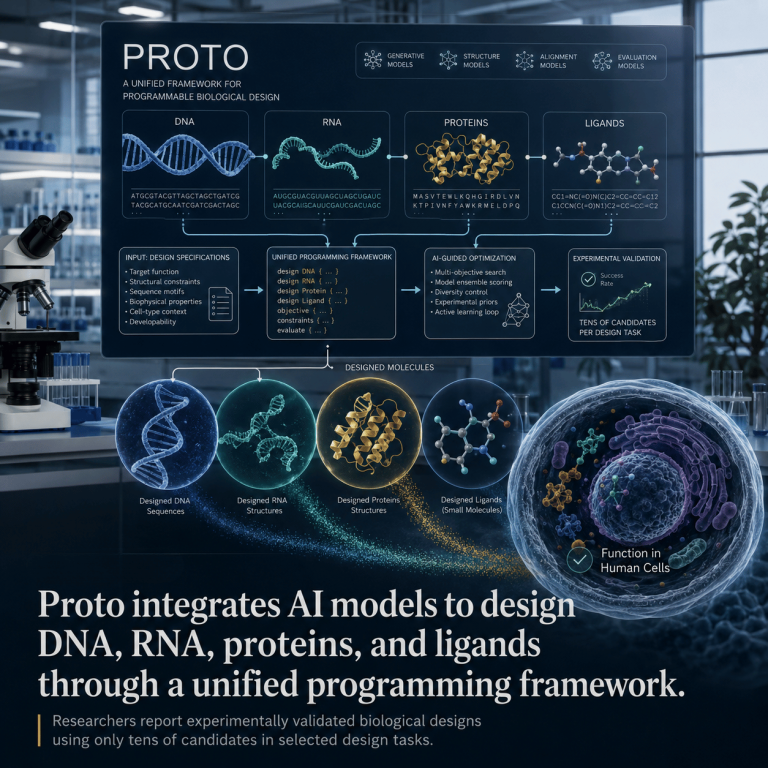
A structured program produced genetic sequences that don’t exist in nature — then those sequences were built, tested in human cells, and found to work. That single result points to something larger: biology is beginning to look less like a collection of disconnected experiments and more like a programmable system. Proto is the language making…

The high computational cost of generating accurate atomic-level biomolecular structures remains a major challenge in AI-driven drug discovery. Researchers from Genesis Molecular AI, MIT, Carnegie Mellon University, and Imperial College London have developed DeCAF (Denoiser Cofolding All-Atom Flowmap), a framework that distills diffusion-based cofolding models into faster flow-based models capable of generating high-quality protein and…

Drug discovery has always been brutally slow. You pick a target, screen hundreds of thousands of compounds, watch most of them fail, spend months on each experiment, and pray that something sticks. For most research teams, especially in academia, that process is simply out of reach. The cost alone can run into the tens of…

Conventional molecular dynamics (MD) simulations provide atomistic insights into molecular behavior but are fundamentally limited by their femtosecond time steps, making it computationally challenging to capture the slow conformational changes and relaxation processes that drive chemical and biological functions. Addressing this longstanding challenge, researchers at Chalmers University of Technology and the University of Gothenburg in Sweden have…

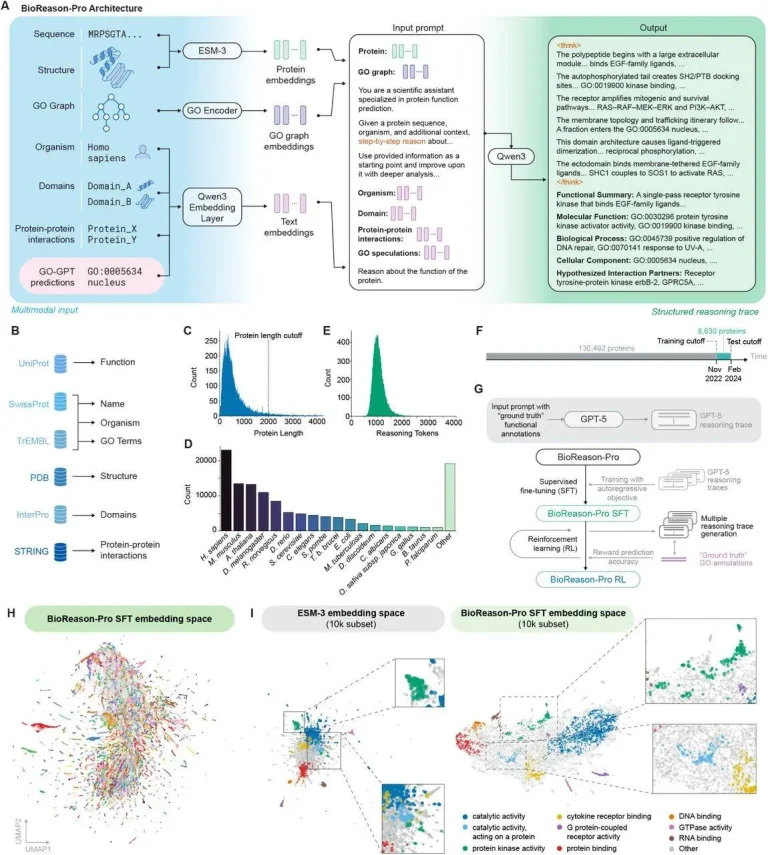
A team of scientists from the University Health Network – Canada’s Hospital, Arc Institute and Vector Institute developed BioReason-Pro to tackle one of the greatest challenges in biology: protein function prediction. Unlike existing AI tools, which give baffling black-box predictions, BioReason-Pro generates structured reasoning that explains why a protein is assigned a function. By integrating…

Every second, thousands of proteins inside your cells are bumping into each other, forming fleeting partnerships, and splitting apart again. These protein-protein interactions (PPIs) are the invisible handshakes that keep your heart beating, your immune system fighting, and your DNA replicating. Get them wrong, and disease follows. But here’s the problem: figuring out which proteins…

Proteins are remarkable molecules. They fold, bend, bind, and catalyze, all while balancing an internal tension that most biology textbooks barely mention. That tension has a name: local energetic frustration. And a new study from researchers at Helmholtz Munich, the Technical University of Munich, and the Barcelona Supercomputing Center has just made it dramatically easier…

For decades, the bottleneck in drug discovery wasn’t the biology; it was the translation. Getting from a disease hypothesis to a viable therapeutic target required researchers to speak two languages fluently—the molecular grammar of living systems and the computational dialect of machine learning. Insilico Medicine is a clinical-stage AI-driven drug discovery company based in Hong…

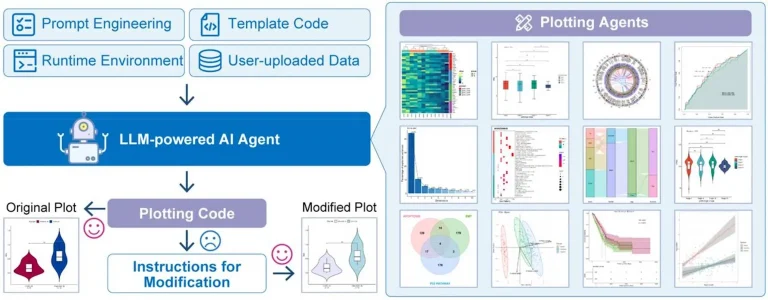
The research team affiliated with Sun Yat Sen University in Guangzhou engineered PlotGDP, an AI-based web server tool designed to assist people with various bioinformatics plotting tasks, with no coding or environment deployment required. Biomedical research catalyzes progress in medicine, diagnostics, and therapies. Thousands of papers are published on a daily basis across journals. Without…

OpenProtein.AI is an open-access platform founded by MIT alumni Tristan Bepler and Tim Lu, which provides open-source AI models and a no-code interface for protein engineering. With a motivation to democratize access to advanced protein language models like PoET and PoET-2, they aim to enable biologists without coding expertise to design and analyze proteins by…

For years, the promise of artificial intelligence in drug discovery has lived mostly in press releases and conference decks. Researchers have talked about what AI could do — compress timelines, identify overlooked targets, and design better molecules. What we haven’t seen much of, until now, is an AI-designed drug actually walking through clinical trials with…

Researchers at the University of Cambridge, Columbia University, and partner institutions have introduced ROCKET, a novel framework that extends AlphaFold2 by integrating experimental data, such as cryo-EM and x-ray crystallography, directly into structure prediction. It fuses machine learning priors with traditional approaches, allowing accurate modeling even at low resolution, noisy, or frontier datasets. Rocket was…

CBIRT Bioinformatics Summer Internship 2026 blog post blue theme Summer 2026 · CBIRT The Best Summer Internship in Bioinformatics —Dive Into Data This Summer May 4 – June 30, 2026 2-Month Program Online · Mon–Fri ISO 9001:2015 Certified Bioinformatics Machine Learning NGS Analysis Cancer Genomics Network Biology Proteomics Every summer presents a choice — rest,…

Researchers at Mellon University and MIT introduce VibeGen, a generative AI framework for end-to-end de novo protein design conditioned on dynamics. The model generates de novo proteins that not only fold but also exhibit the required dynamics. Proteins and biomolecular structures are the backbones of many functions in our bodies. They catalyze reactions, transmit signals,…

Researchers from Rice and Boston universities developed CLASSIC, a platform that combines long- and short-read sequencing to measure over 100,000 multi-gene circuits in human cells. The resulting data was used to train machine learning models to predict circuit behavior and uncover rules for part compositions, accelerating the design-build-test-learn cycle in synthetic biology. Limitations of the…

The innovators behind intelliFold-2 at IntelliGen AI emphasize that IntelliFold-2 is designed as a state-of-the-art open source alternative to AlphaFold3 with stronger performance in therapeutically relevant tasks like antibody-antigen docking and protein-ligand co-folding. The architectural refinements, like latent scaling and atom attention, along with algorithmic innovations such as policy-guided diffusion and difficulty-aware loss reweighting, help…

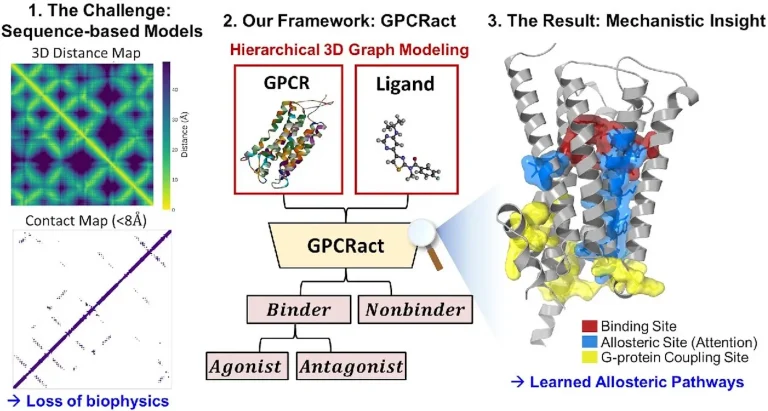
There is a question that has quietly haunted drug discovery for decades, one that sounds almost too basic to be a problem. A molecule finds its target protein. It docks in precisely. But then what? Does anything actually happen inside the cell? For a surprisingly long time, computational tools could answer the first part of…

A major collaboration led by David Baker’s group at the Institute for Protein Design (UW) introduced RFdiffusion3 (RFD3), a next-generation version of the originally developed RFdiffusion. It is a generative diffusion model for general-purpose de novo protein design that works at the all-atom level, allowing precise modelling of hydrogen bonds, ligands, and nucleic acid interactions….

An inter-institutional collaboration across the US, Germany, and the Netherlands introduces MHub.ai, an accessibility and reproducibility-prioritizing, open source platform for standardized access to AI models for automating and accelerating research in medical imaging. AI as a Revolution in Medical Imaging and Issues with Its Usability Medical imaging has been a revolution in the medical field…

Researchers from Johannes Kepler University Linz, Austria, and Merck HealthCare, Germany, developed ConGLUDe (Contrastive Geometric Learning for Unified Computational Drug Design), an AI-based model for drug discovery. The model combines structure-based and ligand-based drug designs into one system instead of treating them separately. It can predict protein-ligand interactions, find binding pockets, and perform virtual screening even when…

The growing complexity of biomedical research and healthcare demands AI systems that can go beyond general assistance to support end-to-end scientific workflows. Building on this need, Anthropic has expanded its Claude for Life Sciences initiative with the launch of Claude Opus 4.5, alongside new scientific and healthcare connectors and specialized agent capabilities. Designed with privacy-first,…

Researchers at Tsinghua University have introduced DrugCLIP, a contrastive learning framework that enables ultrafast and accurate virtual screening at a genome-wide scale. Published in Science, it is validated against 5-HT2AR, TRIP12, and NET, and it enables virtual screening at the genome scale, up to seven orders of magnitude faster than docking methods. Why is there…

The researchers at Broad Institute and Mass General Brigham in Nature Genetics propose DNA-Diffusion, the first ever generative diffusion framework trained on DNA accessibility data to design cis-regulatory elements (CREs) with activity specific to cell-types. The authors validated these synthetic DNA elements using STARR-seq and EXTRA-seq (Endogenous expression Targeted Regulatory Activity sequencing) against blood cancer…

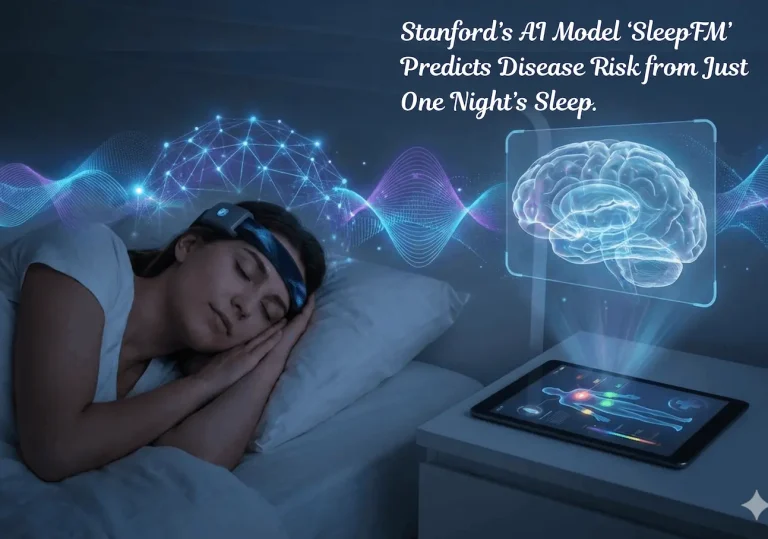
Stanford Medicine and researchers in Denmark and Boston have built an AI foundation model, SleepFM, that can read a single night of lab‑recorded sleep and forecast the risk of more than 100 diseases years before they appear in the clinic. This feels like the moment sleep medicine meets large‑scale, multimodal representation learning in a very…

Google’s Health AI-Developed Foundations (HAI-DEF) has released an updated version of MedGemma (v1.5), an open-source generative AI model with enhanced capabilities in medical imaging and speech recognition. When integrated with MedASR—a newly developed medical speech-to-text model fine-tuned for healthcare dictation—the system operates seamlessly to support complex medical reasoning tasks. Given the pace at which AI…

KAIST and UCSD researchers proposed AI-driven strategies for microbial gene function discovery, addressing the long-standing bottleneck where many microbial genes remain uncharacterized despite advances in genome sequencing. It systematically analyzes computational biology approaches, from traditional sequencing to cutting-edge deep learning methods. The Ongoing Challenge of Understanding Microbial Gene Functions Since the early 2000s, whole genome…

Intrinsically disordered proteins (IDPs) are proteins that are central to neurodegenerative diseases and aggressive cancers like prostate cancer, have been considered ‘undruggable’ as structures predicted by traditional tools to determine how they function and interact, and to be studied in medicine and biotechnology are static. ToposBio introduced Topos-1, an all-atom generative model, which addresses this…

Scientists from MIT and Microsoft Research present CleaveNet, an AI-based pipeline that merges predictive and generative modeling for end-to-end peptide (short protein) design. By validating the system on matrix metalloproteinases (MMPs), the team demonstrates that AI can uncover novel cleavage motifs, engineer selective substrates, and overcome ever-existing challenges in protease promiscuity. Balancing Efficiency, Selectivity, and…

Researchers at the University of Pennsylvania developed PeptiVerse, a single platform that predicts drug-related properties of therapeutic peptides using either amino acid sequences or chemically modified SMILES representations. The platform uses pretrained protein and chemical language models to make quick and precise predictions for various peptide properties. With a web-based interface and an open-source implementation,…
| Cookie | Duration | Description |
|---|---|---|
| cookielawinfo-checkbox-analytics | 11 months | This cookie is set by GDPR Cookie Consent plugin. The cookie is used to store the user consent for the cookies in the category "Analytics". |
| cookielawinfo-checkbox-functional | 11 months | The cookie is set by GDPR cookie consent to record the user consent for the cookies in the category "Functional". |
| cookielawinfo-checkbox-necessary | 11 months | This cookie is set by GDPR Cookie Consent plugin. The cookies is used to store the user consent for the cookies in the category "Necessary". |
| cookielawinfo-checkbox-others | 11 months | This cookie is set by GDPR Cookie Consent plugin. The cookie is used to store the user consent for the cookies in the category "Other. |
| cookielawinfo-checkbox-performance | 11 months | This cookie is set by GDPR Cookie Consent plugin. The cookie is used to store the user consent for the cookies in the category "Performance". |
| viewed_cookie_policy | 11 months | The cookie is set by the GDPR Cookie Consent plugin and is used to store whether or not user has consented to the use of cookies. It does not store any personal data. |