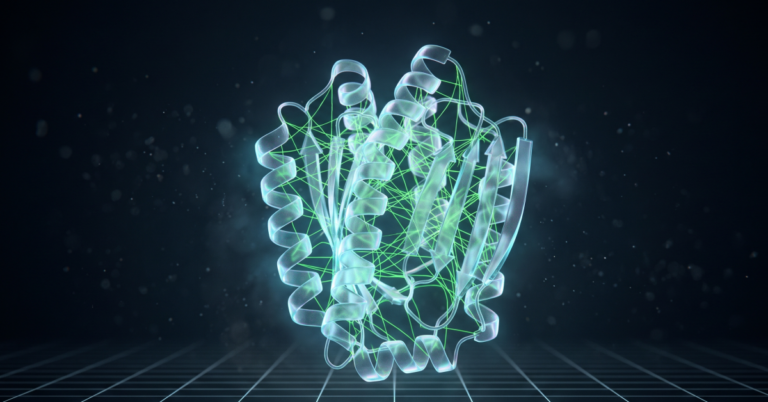
tmol: Rosetta’s Energy Function, Rebuilt on the GPU for Machine Learning
UW’s Institute for Protein Design has released tmol, a GPU-native PyTorch rebuild of Rosetta’s energy function that runs up to 362x faster.
Protein structure prediction, molecular modeling and simulation, and what new structures reveal about biological function.

UW’s Institute for Protein Design has released tmol, a GPU-native PyTorch rebuild of Rosetta’s energy function that runs up to 362x faster.

OpenAI has introduced Rosalind Workbench, a new research-preview environment available through the ChatGPT app that brings scientific tools, specialized biology models, and data workflows into a single connected space — letting researchers move from a biological question to inspectable evidence without losing the thread between disconnected tools. Scientific research rarely happens inside a single application….

Imagine trying to identify every resident of a bustling metropolis from a rooftop, at night, with only a handful of flashlights. That’s essentially the challenge cell biologists face when trying to track individual proteins inside a cell packed with millions of molecular neighbors. A new tool called NovoTags is about to hand researchers a lot…

Every winter, the influenza A virus infects millions of people. In a handful of cells, it manages to do something very hard for scientists to observe: it enters a human cell, releases its own genetic material, and starts rewiring almost everything around it. We have known for decades that this rewiring happens, but seeing exactly…

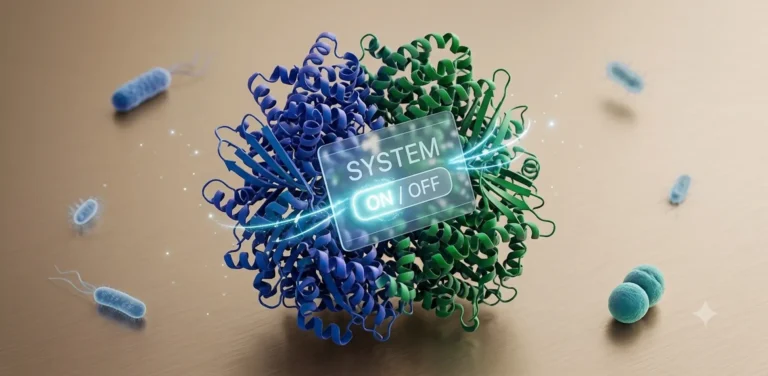
The interdisciplinary team, spanning researchers from the University of Surrey, Imperial College London, IISc, and others, discovered Virulence Associated Dikinase (VadK), which evolved from pyruvate phosphate dikinase to histidine kinase. It regulates the methylcitrate cycle used by Mycobacterium tuberculosis to process energy sources from host lipids. Without ΔvadK mutants, the TB bacteria failed to grow…

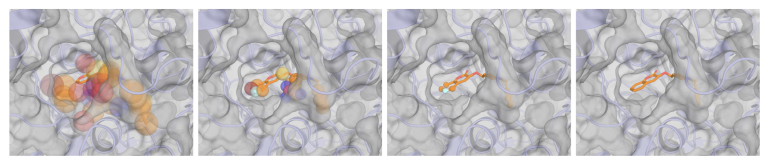
There’s a moment in drug discovery that every medicinal chemist knows well. You’ve found a hit, a molecule that binds to your target, shows early promise, but isn’t quite ready. It might be too big, too greasy, or just structurally awkward. So you strip it down. You keep the core that’s doing the good work,…

The high computational cost of generating accurate atomic-level biomolecular structures remains a major challenge in AI-driven drug discovery. Researchers from Genesis Molecular AI, MIT, Carnegie Mellon University, and Imperial College London have developed DeCAF (Denoiser Cofolding All-Atom Flowmap), a framework that distills diffusion-based cofolding models into faster flow-based models capable of generating high-quality protein and…

Drug discovery has always been brutally slow. You pick a target, screen hundreds of thousands of compounds, watch most of them fail, spend months on each experiment, and pray that something sticks. For most research teams, especially in academia, that process is simply out of reach. The cost alone can run into the tens of…

Conventional molecular dynamics (MD) simulations provide atomistic insights into molecular behavior but are fundamentally limited by their femtosecond time steps, making it computationally challenging to capture the slow conformational changes and relaxation processes that drive chemical and biological functions. Addressing this longstanding challenge, researchers at Chalmers University of Technology and the University of Gothenburg in Sweden have…

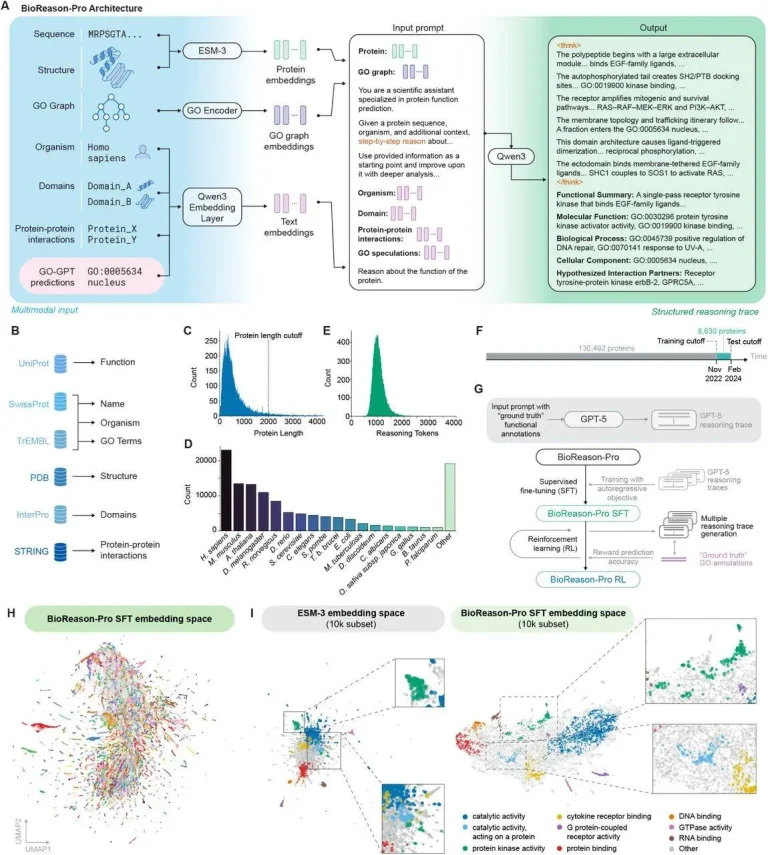
A team of scientists from the University Health Network – Canada’s Hospital, Arc Institute and Vector Institute developed BioReason-Pro to tackle one of the greatest challenges in biology: protein function prediction. Unlike existing AI tools, which give baffling black-box predictions, BioReason-Pro generates structured reasoning that explains why a protein is assigned a function. By integrating…

Every second, thousands of proteins inside your cells are bumping into each other, forming fleeting partnerships, and splitting apart again. These protein-protein interactions (PPIs) are the invisible handshakes that keep your heart beating, your immune system fighting, and your DNA replicating. Get them wrong, and disease follows. But here’s the problem: figuring out which proteins…

Proteins are remarkable molecules. They fold, bend, bind, and catalyze, all while balancing an internal tension that most biology textbooks barely mention. That tension has a name: local energetic frustration. And a new study from researchers at Helmholtz Munich, the Technical University of Munich, and the Barcelona Supercomputing Center has just made it dramatically easier…

OpenProtein.AI is an open-access platform founded by MIT alumni Tristan Bepler and Tim Lu, which provides open-source AI models and a no-code interface for protein engineering. With a motivation to democratize access to advanced protein language models like PoET and PoET-2, they aim to enable biologists without coding expertise to design and analyze proteins by…

Researchers at Mellon University and MIT introduce VibeGen, a generative AI framework for end-to-end de novo protein design conditioned on dynamics. The model generates de novo proteins that not only fold but also exhibit the required dynamics. Proteins and biomolecular structures are the backbones of many functions in our bodies. They catalyze reactions, transmit signals,…

The innovators behind intelliFold-2 at IntelliGen AI emphasize that IntelliFold-2 is designed as a state-of-the-art open source alternative to AlphaFold3 with stronger performance in therapeutically relevant tasks like antibody-antigen docking and protein-ligand co-folding. The architectural refinements, like latent scaling and atom attention, along with algorithmic innovations such as policy-guided diffusion and difficulty-aware loss reweighting, help…

A major collaboration led by David Baker’s group at the Institute for Protein Design (UW) introduced RFdiffusion3 (RFD3), a next-generation version of the originally developed RFdiffusion. It is a generative diffusion model for general-purpose de novo protein design that works at the all-atom level, allowing precise modelling of hydrogen bonds, ligands, and nucleic acid interactions….

The authors at Seoul National University developed FoldMason, a free, open-source, progressive Multiple Structural Alignment (MSTA) method published in Science that uses a structural alphabet from Foldseek and aligns hundreds of thousands of protein structures. Achieving two orders of magnitude faster than other methods, when applied to Flaviviridae glycoproteins, it supported phylogenetic analysis below the…

Authors from the University of Pennsylvania and others innovated the motif-specific PPI targeting algorithm (moPPIt), a computational framework that integrates BindEvaluator along with Multi-Objective Guided Discrete Flow Matching (MOG-DFM) to design peptides that can selectively bind functional motifs without needing structural priors. It works directly from sequence data instead of requiring known 3D structures, making…

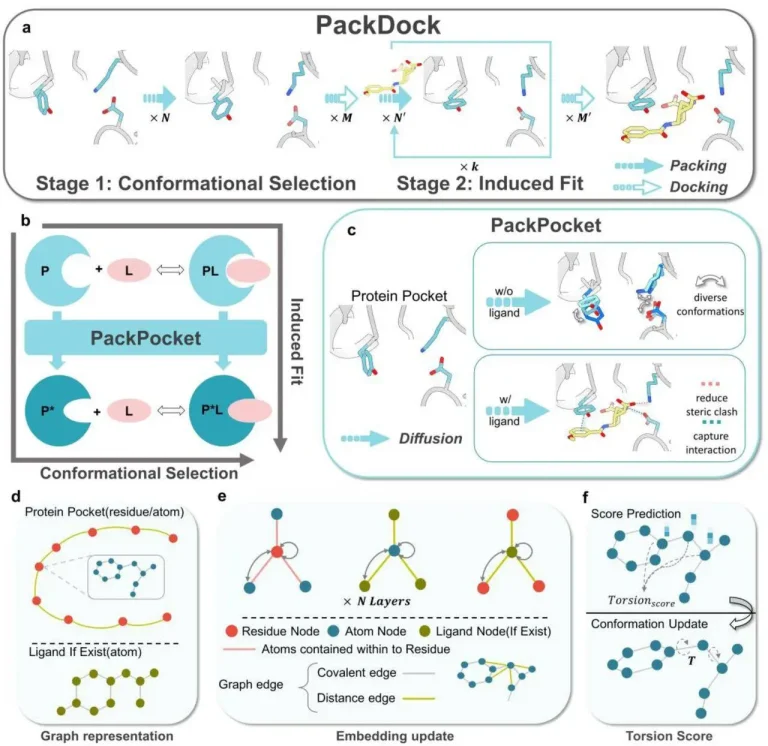
Researchers from the University of Shanghai, China, created PackDock, a diffusion-based side-chain packing model that predicts diverse side-chain conformations in protein binding pockets, both with and without ligands. PackDock is compatible with other docking algorithms and achieves near-rigid docking accuracy while being significantly faster than traditional docking methods. The Promise and Limits of Drug Design…

Researchers from Tsinghua University and Peking University in China developed the SMRTnet tool, which employs a deep-learning approach to identify interactions between small molecules and RNA, eliminating the need for RNA tertiary structure information. By combining RNA secondary structure and multimodal neural networks, the research showed that SMRTnet outperformed other prediction tools and validated its…

Researchers at MIT introduce an all-atom generative model, BoltzGen. The model incorporates a design specification language that allows researchers to control constraints like covalent bonds, binding sites, and structural motifs for designing proteins and peptides that can bind to diverse biomolecular targets. With strong structural reasoning and state-of-the-art folding performance, BoltzGen is experimentally validated across…

Researchers from École Polytechnique Fédérale de Lausanne (EPFL) and the National Centre of Competence in Research (NCCR) Catalysis, Switzerland, introduced DynaMate, an autonomous AI system that can fully set up, run, and analyze molecular dynamics simulations for proteins and protein-ligand complexes. DynaMate employs a multi-agent large language model architecture to plan simulation workflows, prepare molecular systems, and…

Genesis Molecular AI and NVIDIA have introduced PEARL (Placing Every Atom in the Right Location), a deep learning foundation model designed for large-scale protein–ligand cofolding in computational drug discovery. By leveraging synthetic training data, SO(3)-equivariant diffusion architectures, and controllable inference, PEARL achieves more accurate and physically valid binding pose predictions, outperforming AlphaFold 3 and other leading…

In modern biology, accurately simulating biomolecular interactions is a major difficulty. Our capacity to predict biomolecular complex structures has significantly improved with recent developments like AlphaFold3 and Boltz-1, yet these models are still unable to predict binding affinity, a crucial characteristic that underlies molecular function and therapeutic efficacy. Here, researchers from MIT introduce Boltz-2, a…

The requirement and utility of conventional force field-based folding simulations have been called into question by the overwhelming success of deep learning techniques in protein structure prediction. Researchers from the University of Michigan and the National University of Singapore presented a hybrid method called deep-learning-based iterative threading assembly refinement (D-I-TASSER), which combines iterative threading fragment…

Researchers from Changping Laboratory in Beijing introduced AF3Score, a novel adaptation of AlphaFold3 designed to evaluate biomolecular structures with unprecedented accuracy. This innovation addresses a critical gap in computational biology: the need for reliable, unbiased scoring methods to assess the quality of protein structures, complexes, and designed biomolecules. By reimagining AlphaFold3’s architecture, the team created…

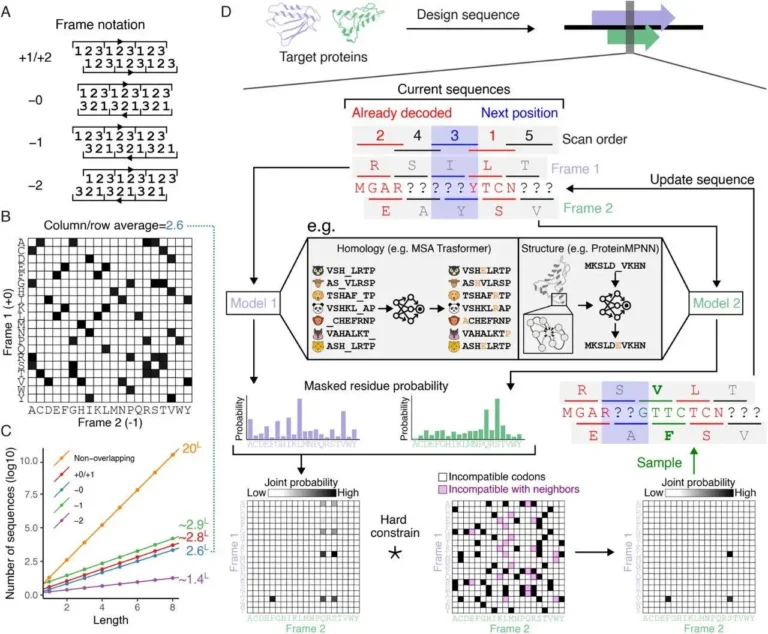
Given that the sharing of codon nucleotides dramatically reduces the size of protein sequences, viruses in nature often generate overlapping genes (OLG) in alternate reading frames of the same nucleotide sequence. The question of whether amino acid sequences are sufficiently degenerate with regard to protein folding to permit the extensive overlap of arbitrary pairs of…

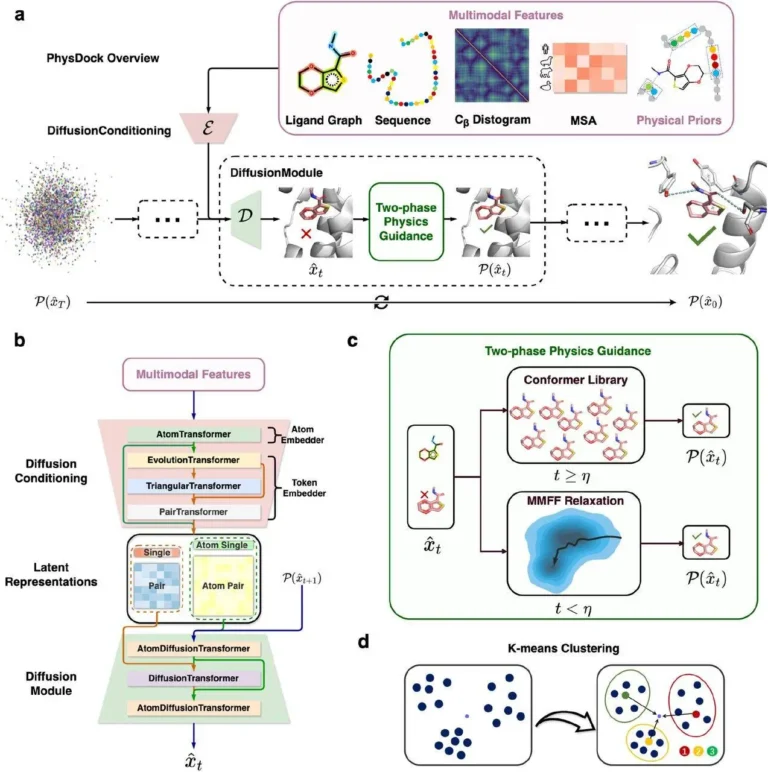
In a breakthrough that could transform drug discovery, a team of researchers from ShanghaiTech University has introduced PhysDock, a novel AI-powered model designed to predict how small molecules (ligands) bind to proteins with atomic-level precision. Protein-ligand docking plays a central role in structure-based drug design. It helps researchers understand how drugs interact with their biological…

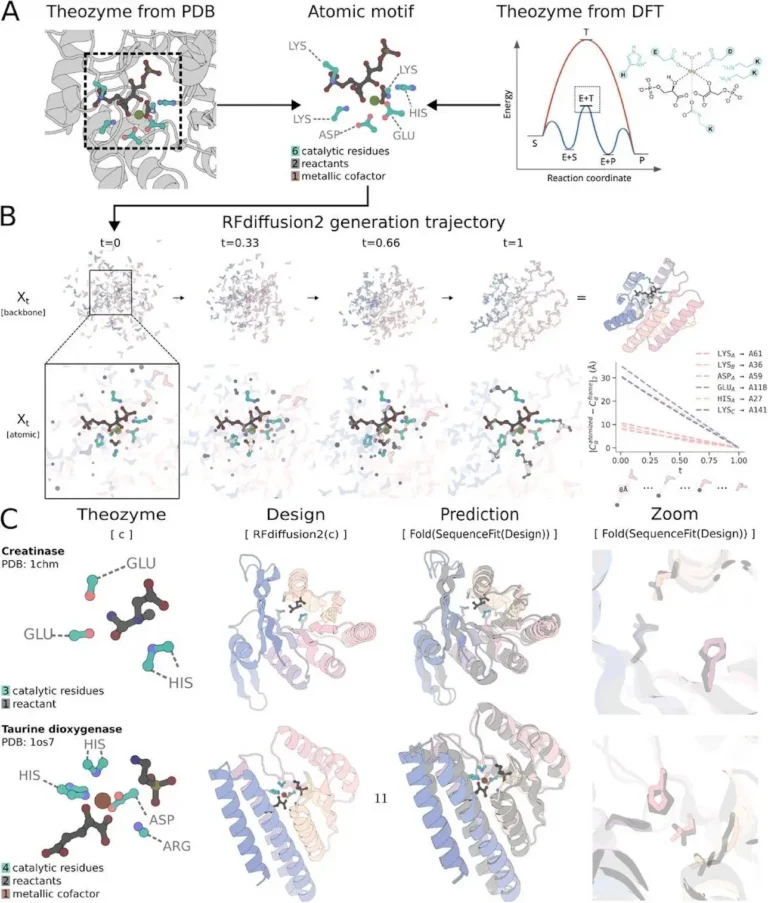
In de novo enzyme design, the functional groups surrounding reaction transition states are described in the optimal active site. There are drawbacks to the generative AI technique RFdiffusion, which has been used to build highly active enzymes. The active site’s geometry can only be defined at the residue level, necessitating the construction of side chain…

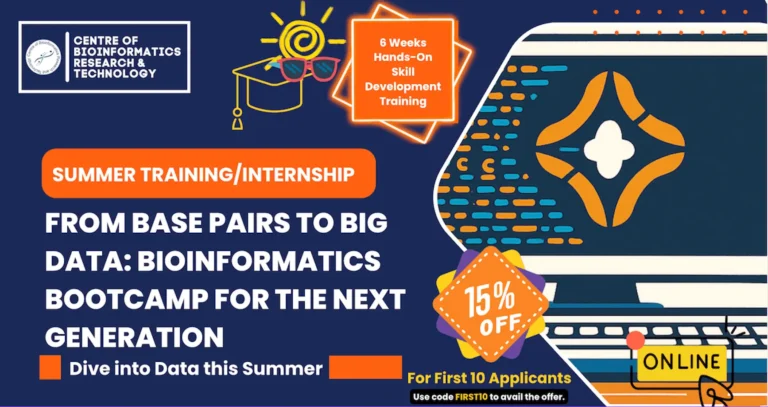
Are you ready to transform your understanding of bioinformatics and gain hands-on experience with cutting-edge tools and technologies? The Centre of Bioinformatics Research & Technology (CBIRT) is thrilled to announce its Summer Training/Internship Program—From Base Pairs to Big Data: Bioinformatics Bootcamp for the Next Generation. This intensive 1.5-month program (15 May to 30 June 2025) is designed to equip students…

The GPCR Dock competitions are a set of community-wide evaluations of ligand docking and computational structural modeling for G protein-coupled receptors, a key class of therapeutic targets in the human proteome. To shape and guide the development of computational modeling approaches for GPCRs, the assessments are intended to offer an objective summary of advancements and…

In a recent breakthrough in AI-driven drug discovery, researchers from Pfizer, AstraZeneca, and Chalmers University unveiled a new generative framework called FLOWR, designed to revolutionize structure-based ligand generation. Their collaborative work bridges machine learning, computational chemistry, and pharmaceutical research and is set to address some of the most persistent challenges in early-stage drug design. Why…

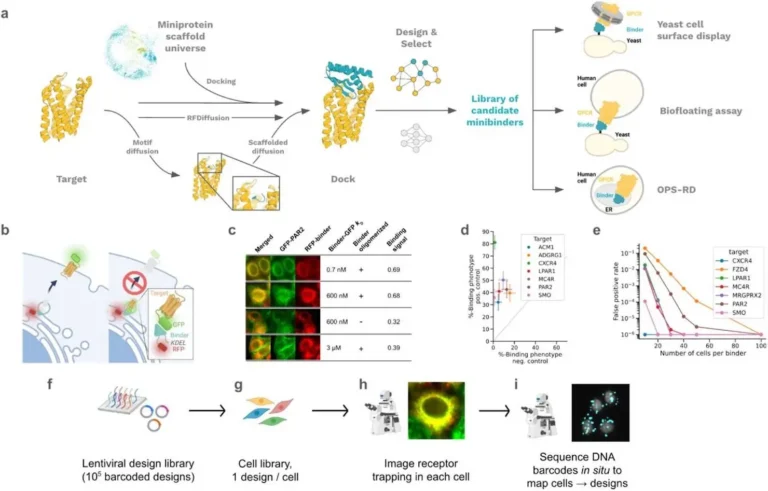
G protein-coupled receptors (GPCRs) are essential membrane proteins with dynamic conformations that are also major targets for drug development and discovery. However, designing protein agonists and antagonists has proven difficult. In this article, researchers outline computational de novo design techniques and a high throughput “receptor diversion” microscopy-based screen for producing GPCR binding miniproteins with high…

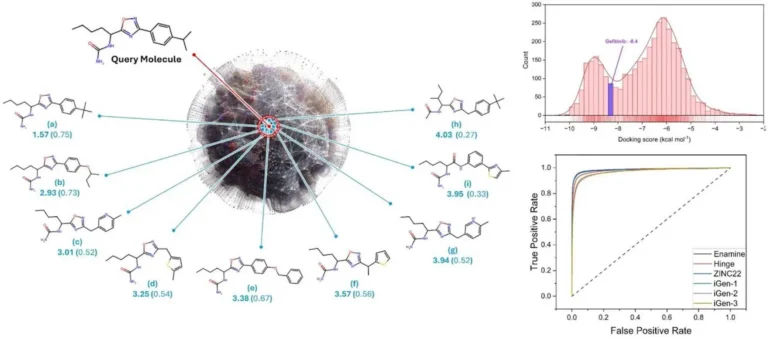
Recent years have witnessed significant advancements in the fields of artificial intelligence (AI) and machine learning (ML), catalyzing a revolution in cheminformatics and drug discovery. These advancements have enabled scientists to predict molecular properties, design novel compounds with desired characteristics, and estimate drug/bio-macromolecular interactions with unprecedented accuracy. At the heart of these breakthroughs lies the…

There are more than 100 NMR relaxation datasets in the Biological Magnetic Resonance Data Bank (BMRB), which show an observable motion in µs-ms. NMR signals can be broadened beyond detection by millisecond motions, leaving residues unassigned in chemical shift datasets of about 10,000 proteins. Deep learning models were taught to predict missing assignments caused by…

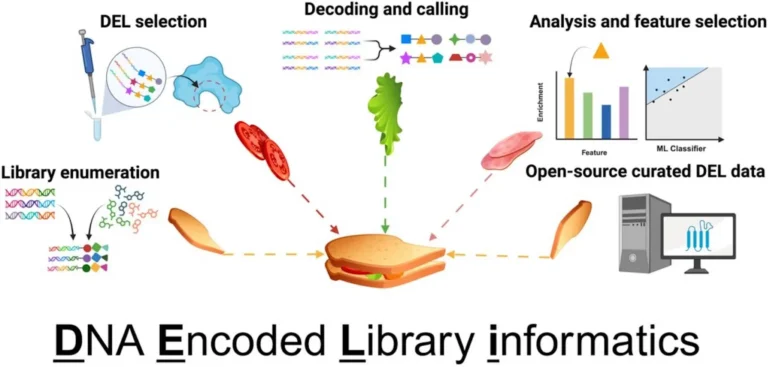
The entire process of drug discovery costs more than a billion dollars and takes over a decade to complete. This is an expensive and time-consuming process. However, to help improve efficiency, DNA Encoded Library (DEL) technology has been introduced, which enables researchers to screen billions of small molecules for possible drug candidates. The most challenging…

One of the most significant challenges in computational and experimental biology is creating RNA molecules that interact with particular proteins. The practical use of current computational methods is limited by their requirement for a significant number of empirically confirmed RNA sequences for every individual protein or a thorough understanding of RNA structure. Researchers have developed…

Microsoft researchers introduce BioEmu-1, an updated version of BioEmu that advances the knowledge of how proteins function by offering a window into the diverse range of structures that each protein can take on or structural ensembles. BioEmu is a generative deep learning system that tackles the scientific challenge of forecasting dynamical dynamics in proteins following…

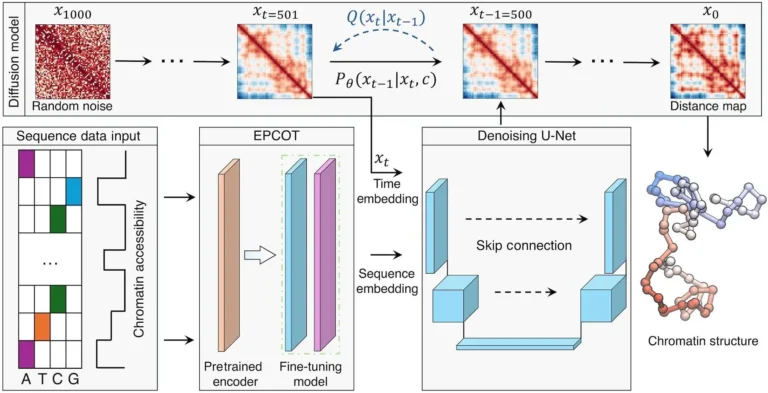
Microscopic imaging and high-throughput sequencing methods show that chromatin structures differ greatly between cells, although characterization is still difficult because of the labor-intensive nature of the investigations. Researchers from the Massachusetts Institute of Technology present ChromoGen, a generative model that effectively predicts three-dimensional, single-cell chromatin conformations de novo with both region and cell type specificity….

RNA, often overshadowed by its protein counterpart, plays an essential role in the molecular machinery of life. Predicting RNA’s three-dimensional (3D) structure is a vital challenge in understanding its function, but it’s a task riddled with complexities. Enter NuFold, an innovative RNA structure prediction method that promises to advance our understanding of RNA folding mechanisms….

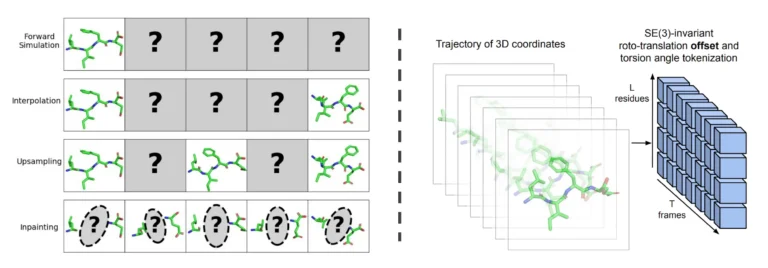
As a paradigm for developing adaptable multi-task surrogate models of MD from data, researchers from the Massachusetts Institute of Technology present generative modeling of molecular trajectories. Researchers demonstrate how such generative models can be tailored to a variety of tasks, including forward simulation, transition path sampling, and trajectory upsampling, by conditioning on carefully selected frames…

Drug discovery and protein engineering are some of the most challenging aspects of cutting-edge scientific research. It is also a field that holds great promise in addressing some of the burning issues in global healthcare. Unfortunately, the intricacies of protein molecule interactions, dynamics, and the effects of mutations are exceedingly painstaking and slow. Researchers from…

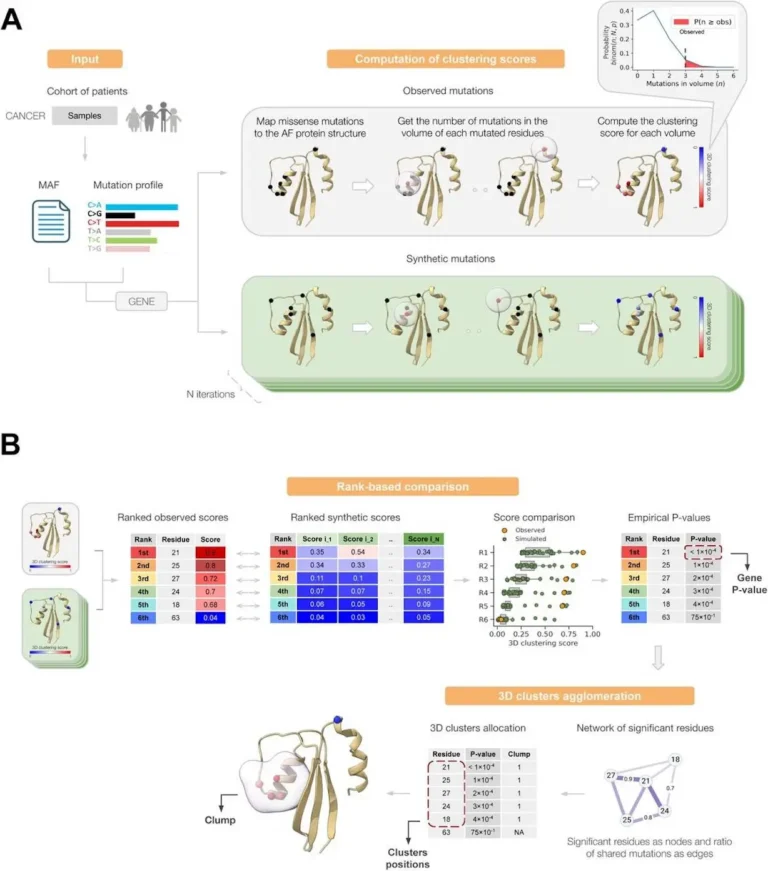
Finding the genes that can cause tumors in various tissues is one of the main objectives of cancer genomics. Computational techniques that use various positive selection signals in the pattern of gene mutations seen in tumors have been created for this goal. One indication of positive selection is the accumulation of mutations in regions of…

The study of the entire protein sequence-structure map has historically been hampered by the combinatorial scale of amino acid sequence space. The wide unexplored landscape of far-from natural sequences that appear to have escaped evolution but are consistent with the principles of biophysics is not yet known. Experimental methods such as directed evolution are not…

A team of researchers from the University of Washington has made significant strides in protein design by addressing long-standing challenges in creating beta-barrel structures. Using advanced deep learning tools, including RoseTTAFold-based design techniques, the team successfully developed transmembrane nanopores with conductances ranging from 200 to 500 pS. This innovative approach combines the precision of parametric…

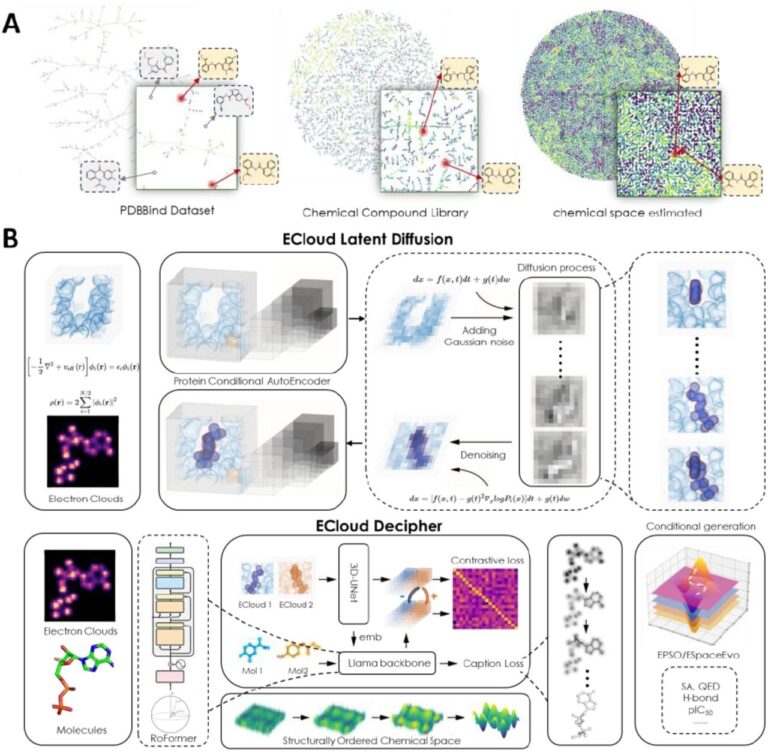
In a groundbreaking step toward more effective molecular design, researchers from Zhejiang University and others have introduced ECloudGen, a cutting-edge framework that integrates quantum chemistry with deep learning. This innovative approach focuses on utilizing electron clouds as latent variables to unlock new possibilities in structure-based molecular design. Understanding the Role of Electron Clouds in Chemistry…

Developing an understanding of biomolecular interactions is essential for developing domains such as protein design and drug development. The open-source deep learning model Boltz-1, which researchers from MIT present in this research, combines advances in model design, speed optimization, and data processing to predict the 3D structures of biomolecular complexes with an accuracy of AlphaFold3….

In 2024, bioinformatics has once again proven to be a cornerstone of innovation, driving discoveries that are reshaping our understanding of life at a molecular level. Did you know that the number of genetic variants uncovered this year alone surpassed expectations by millions? These breakthroughs are paving the way for revolutionary applications in healthcare, drug…

A major field of study is the scientific problem of predicting dynamical mechanisms in proteins after structural revolutions, with molecular dynamics simulations offering important information on conformational states and binding configurations. In this work, researchers from Microsoft Research create a generative deep learning system called Biomolecular Emulator (BioEmu), which can produce thousands of statistically distinct…

The quest to understand biomolecular interactions is central to advancing drug discovery, molecular biology, and bioengineering. A significant step in this journey is accurately predicting the 3D structures of biomolecular complexes. Researchers from Iambic Therapeutics recently unveiled NeuralPLexer3 (NP3), a groundbreaking model designed to set a new benchmark in structure prediction by leveraging flow-based models….
| Cookie | Duration | Description |
|---|---|---|
| cookielawinfo-checkbox-analytics | 11 months | This cookie is set by GDPR Cookie Consent plugin. The cookie is used to store the user consent for the cookies in the category "Analytics". |
| cookielawinfo-checkbox-functional | 11 months | The cookie is set by GDPR cookie consent to record the user consent for the cookies in the category "Functional". |
| cookielawinfo-checkbox-necessary | 11 months | This cookie is set by GDPR Cookie Consent plugin. The cookies is used to store the user consent for the cookies in the category "Necessary". |
| cookielawinfo-checkbox-others | 11 months | This cookie is set by GDPR Cookie Consent plugin. The cookie is used to store the user consent for the cookies in the category "Other. |
| cookielawinfo-checkbox-performance | 11 months | This cookie is set by GDPR Cookie Consent plugin. The cookie is used to store the user consent for the cookies in the category "Performance". |
| viewed_cookie_policy | 11 months | The cookie is set by the GDPR Cookie Consent plugin and is used to store whether or not user has consented to the use of cookies. It does not store any personal data. |