Half of Cancer Drug Targets Sit in Tumours the Drug Isn’t Approved For
A Cambridge study of 17,029 whole genomes finds 51% of immediately actionable cancer mutations sit in tumour types where the drug is not approved.
Cancer research through a bioinformatics lens: genomic profiling, biomarkers, tumor biology and computational oncology.

A Cambridge study of 17,029 whole genomes finds 51% of immediately actionable cancer mutations sit in tumour types where the drug is not approved.

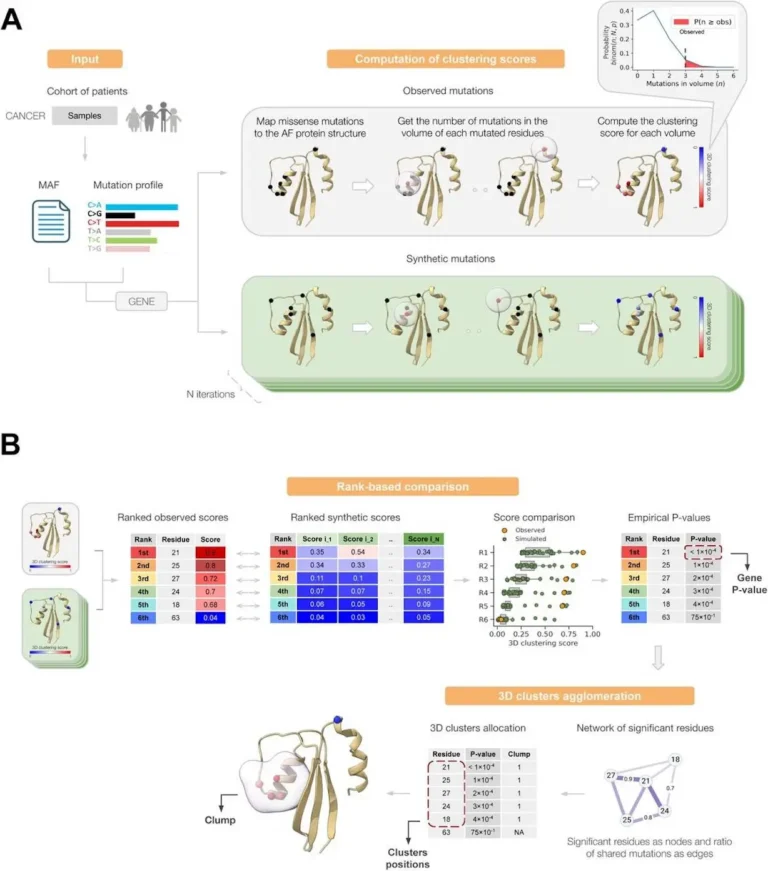
Finding the genes that can cause tumors in various tissues is one of the main objectives of cancer genomics. Computational techniques that use various positive selection signals in the pattern of gene mutations seen in tumors have been created for this goal. One indication of positive selection is the accumulation of mutations in regions of…

A groundbreaking new research from the University of Georgia unveils that omega-3 and omega-6 fatty acids may play an integral role in cancer prevention, adding to their already impressive list of health benefits. The researchers analyzed the data from moreover 250,000 UK Biobank participants to provide convincing evidence for increasing the intake of these essential…

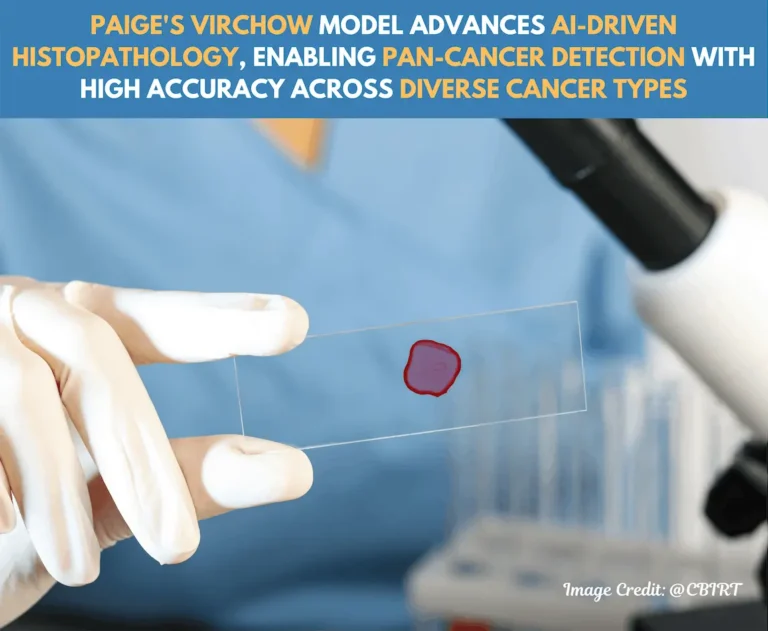
Computational pathology is the evolution of cancer diagnosis into a new era, with the application of artificial intelligence to understand complex histopathology images. Generally, pathologists spend a lot of time diagnosing based on H&E-stained slides. To reduce the efforts required, researchers from Microsoft Research, Memorial Sloan Kettering Cancer Center, NSW Health Pathology, St George Hospital,…

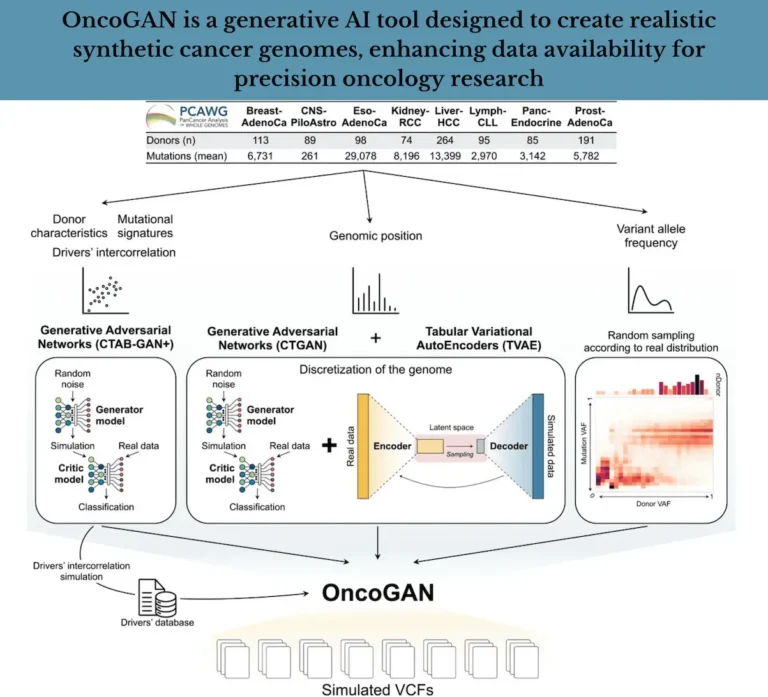
Cancer, a complex disease arising from genetic alterations, has been a major global health challenge. Researchers have been able to make considerable progress in their understanding; however, the poor availability of real-world data on the cancer genome has limited the progress. To overcome this loss, a group of researchers at the Ontario Institute of Cancer Research…

To fight cancer, we must stop their metastasis or uncontrolled multiplication. Hence, it is important to understand what proteins these cancer cells need for growth. Precision medicine is supported by our understanding of the genetic makeup of humans, but the genotype-phenotype relationships remain therapeutically unactionable because of less functional assays and tools. In the rapidly…

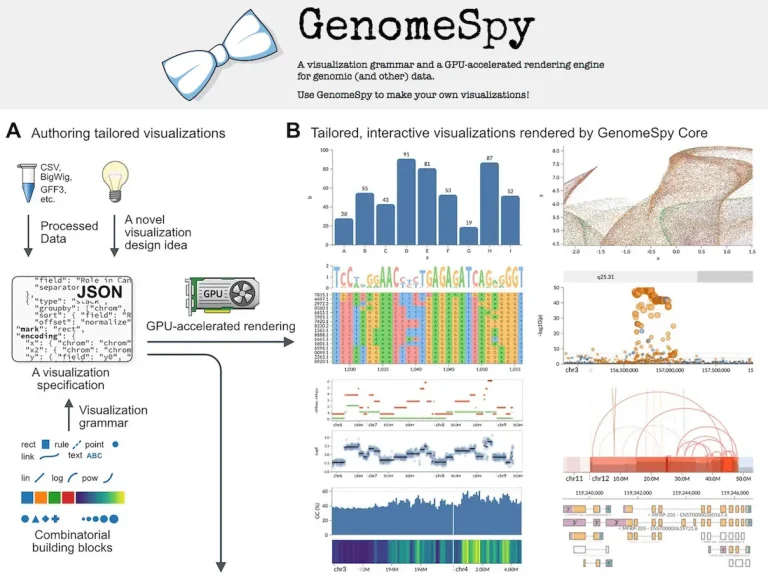
Trying to visualize available genomic data is of great interest. Currently, there exists a lot of specialized visualization tools, but most need to be tailored for a certain cause—the cost and labor increase since these applications need extensive programming done by bioinformaticians and software developers. Biological research is awash with large, complex, multilayered datasets that…

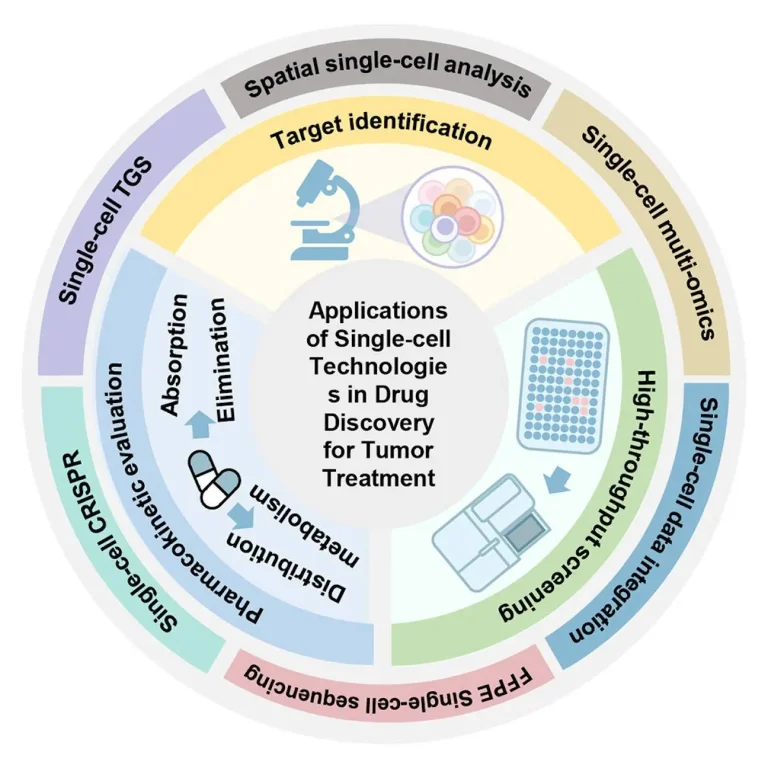
Single-cell technologies are effective drug development and discovery tools, serving important functions at several phases. They aid in identifying potential therapeutic targets, streamline single-cell high-throughput screening, and support pharmacokinetic investigations of anti-tumor medications. New tools for single-cell research combine multiple molecular information, increase the size of data, and characterize the influence of genes on phenotypic…

Recent pioneering research by Université Paris-Saclay and Instadeep scientists has introduced a new technique, BulkRNABert. This method exploits a language model, an artificial intelligence (AI) that understands complex patterns to analyze bulk RNA-sequencing (RNA-seq) data to improve cancer prognosis. By diving into the symphony of gene activity in a tumor, BulkRNABert provides an exciting new…

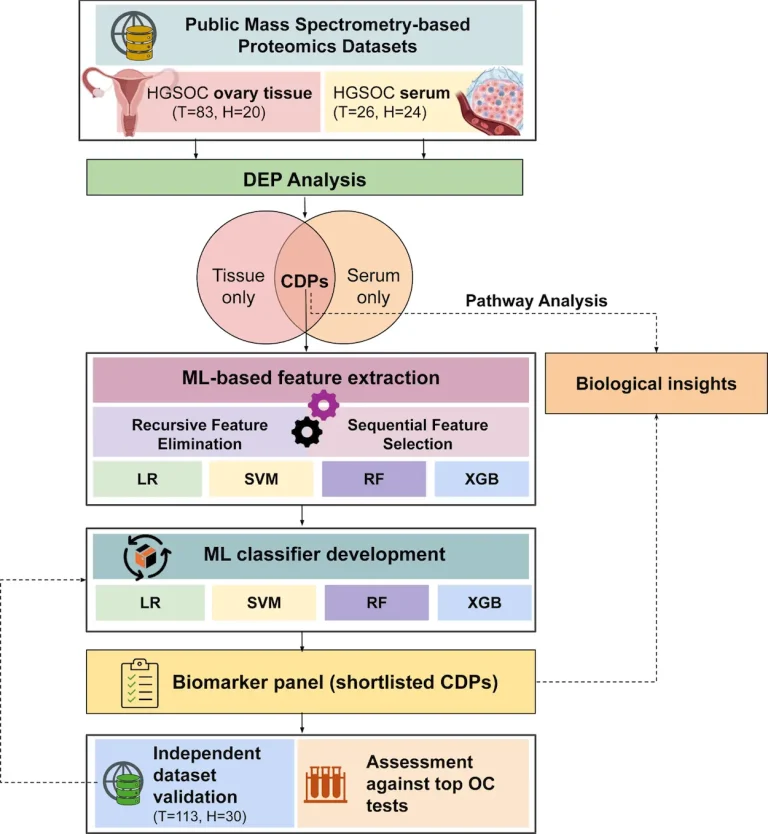
Genes are the basic units of heredity, but they only come to life when translated into proteins. The study of the proteins found in cells and tissues is called proteomics and is largely dependent on Mass Spectroscopy (MS) techniques. Such MS-based proteomics datasets are on the rise, requiring advanced tools to analyze them and uncover…

Artificial intelligence (AI) has become widely accessible, transforming from a specialized resource into a common tool for cancer researchers. It is beneficial for every cancer researcher to understand these tools. In this article, we’ll explore how AI is revolutionizing cancer research as well as some resources reported recently in the Nature Reviews Cancer journal by…

Suppose there was a world in which your doctor could not just see how large and where your tumor is but also know the language spoken by its cells. What if instead of just seeing how big or where it is, your physician could hear this orchestra of gene activity? This symphony would predict how…

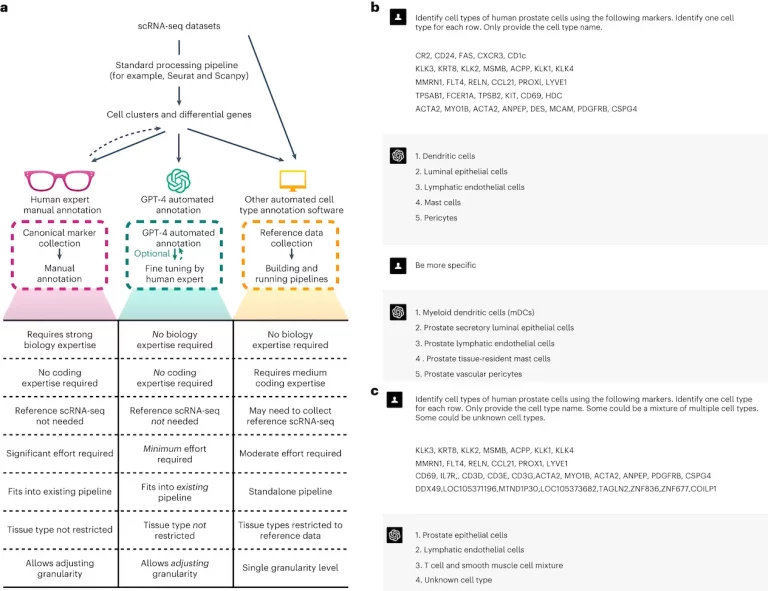
Single-cell RNA sequencing (scRNA-seq), a rapidly developing field of RNA sequencing of single cells, has recently made a breakthrough that could revolutionize cell type annotation. Using GPT-4’s powerful language model, Columbia University Mailman School of Public Health and Duke University School of Medicine researchers have demonstrated that cell types can be accurately annotated based on…

Prostate cancer remains a significant health threat for men globally. The development of cancer is an evolutionary process involving the sequential acquisition of genetic alterations that disrupt normal biological processes, enabling tumor cells to proliferate and ultimately invade and metastasize to other tissues rapidly. New research sheds light on how a prostate cancer diagnosis can…

Patients with recently diagnosed non-differentiated multiple myeloma (NDMM) have a wide range of outcomes, with overall survival (OS) spanning from several months to more than ten years. In this work, the researchers gathered a significant training set and a validation set of NDMM patients with clinical, demographic, genomic, and treatment data for the construction of…

Understanding biological processes and offering organized representations of intricate relationships are made possible by Knowledge Graphs, or KGs. However, the resources available today to mine KGs from biomedical literature are insufficient. Though they present a promising approach, large language models (LLMs) like GPT-4 have not yet been fully investigated in terms of their potential for…

Predicting the immunogenicity of peptide antigens attached to major histocompatibility complex (MHC) molecules is critical for developing new immunotherapies and better understanding human immune responses. While existing techniques rely on simple sequence representations, they neglect the complex chemical mechanisms that drive peptide recognition. Researchers from Cleveland Clinic and IBM collaborated to create supervised and unsupervised…

Pancreatic ductal adenocarcinoma (PDAC) is an extremely aggressive cancer with a poor prognosis, owing mostly to late diagnosis. Expanding screening beyond the 10% now eligible due to genetic susceptibility is critical for early detection and enhanced survival. MIT Computer Science and Artificial Intelligence Laboratory (CSAIL) scientists, alongside Limor Appelbaum, a staff scientist in the Department…

Scientists at St. Jude Children’s Research Hospital have published their findings on SJ3149, a chemical with broad efficacy against various cancer types, particularly acute myeloid leukemia (AML). Scientists worked together to discover and improve a chemical molecule that functions as a molecular “super-glue” for a variety of tumors. SJ3149 binds to cancer-related protein casein kinase…

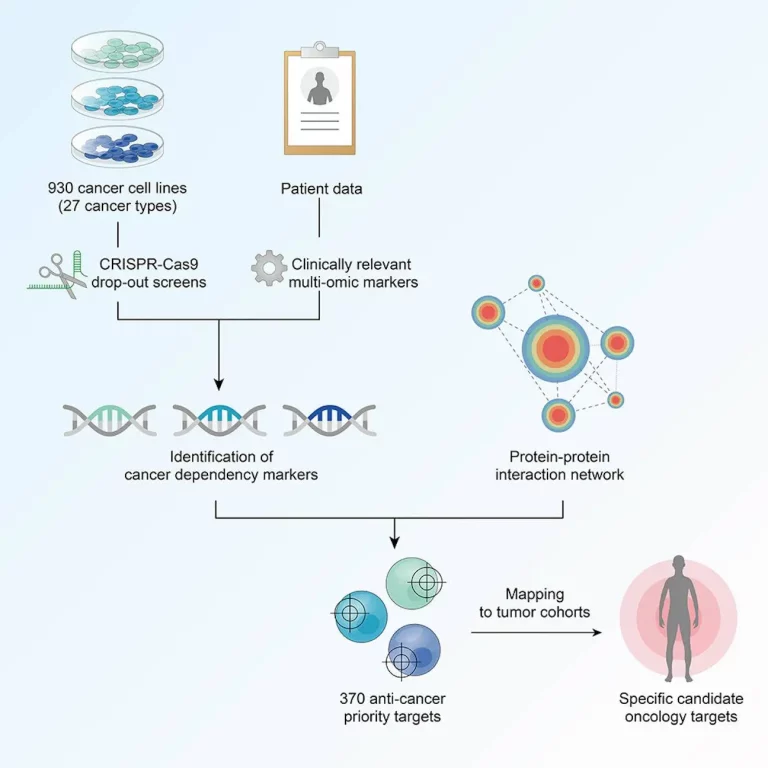
Cancer, a simple name for a complicated group of diseases, has long perplexed scientists and healthcare professionals alike. Despite years of research and medical advances, individualized therapy remains elusive. However, a recent study using multi-omics data is bringing us closer to understanding cancer’s weaknesses and maybe opening up new therapeutic options. By integrating diverse datasets…

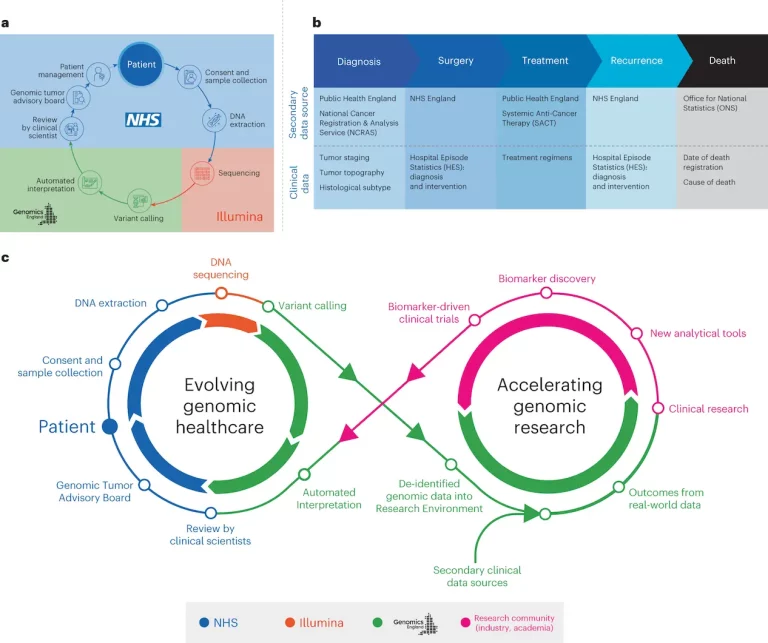
In order to establish standardized high-throughput whole-genome sequencing (WGS) for patients with cancer and rare diseases, the UK Government launched the groundbreaking 100,000 Genomes Project within the National Health Service (NHS) in England. This was accomplished through the use of an automated bioinformatics pipeline accredited by the International Organisation for Standardisation. Operating in conjunction with…

Many proteins are regarded as “undruggable” because of their activity through protein-protein interactions, despite the fact that they have been discovered as therapeutic targets in human diseases. A thorough allosteric map for proteins like KRAS, which is mutated in one out of every ten human malignancies, is required to address this. The goal of this…

Tumors that affect the central nervous system are among the most fatal kinds of cancer, especially in pediatric cases. Surgical removal of the tumor is usually the prescribed course of action, made harder by the fact that the surgeons performing the procedure will not be able to determine the kind of tumor they’re dealing with…

A group of researchers affiliated with Oxford University, UK, have developed a prognostic model backed by the most extensive information set spanning a national, population-representative, and linked electronic healthcare record data set of over 11·6 million female individuals of 20–90 years of age for clinical prediction of females who are at high risk of developing…

A collaborative research effort led by scientists and engineers at the University of Pennsylvania and Northwestern University led to the development of FateMap, a framework that combines DNA barcoding, single-cell RNA sequencing (scRNA-seq), and computational analysis to study the ‘fate’ or outcomes after exposing cancer cells to therapeutic drugs. It has been found that even…

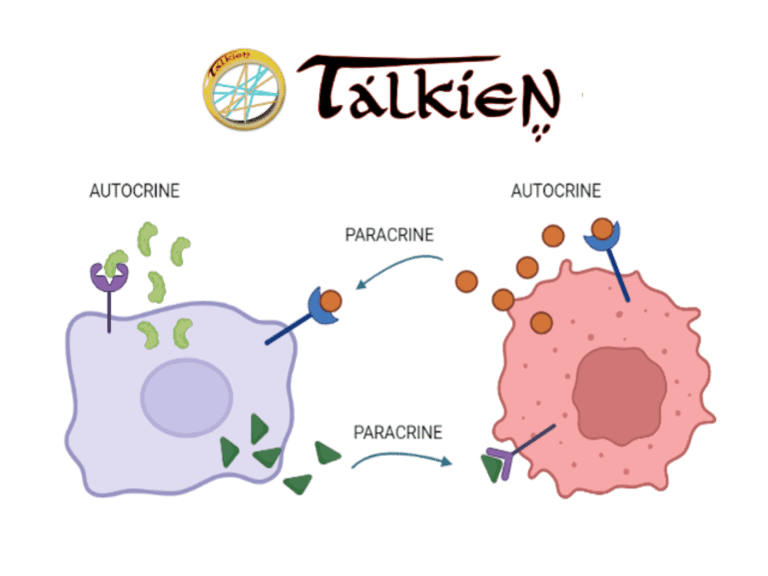
Researchers from Bellvitge Biomedical Research Institute in Spain have designed TALKIEN (crossTALK IntEraction Network), a user-friendly online tool that helps to visualize molecular crosstalk or communication at the cellular level by constructing and analyzing ligand-receptor interaction network (LRIN). Understanding cellular communication is crucial for understanding cancer growth and therapy response. With the ability to perform…

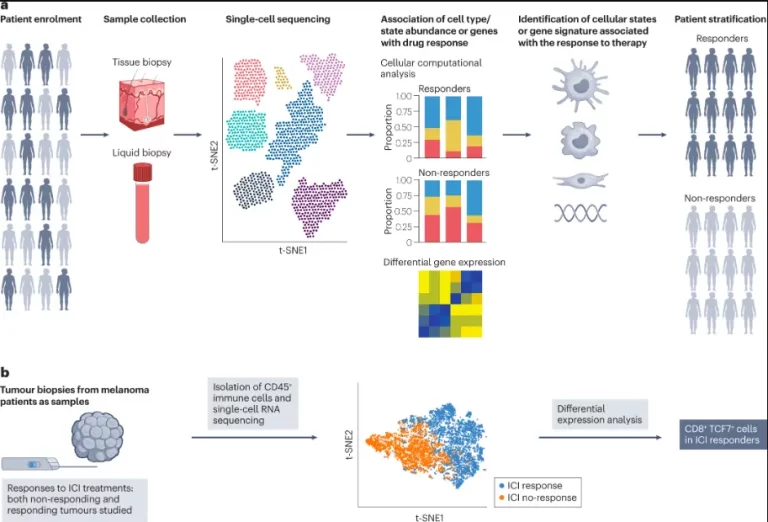
A recent publication in Nature’s Communications Medicine has presented the TNBC (Triple Negative Breast Cancer) ICI (Immune Checkpoint Inhibitors) response predictive classifier (TNBC-ICI) integrating gene expression profiles of TNBC specimens and artificial intelligence, which has demonstrated a significant performance in identifying TNBC patients who would potentially achieve pCR (Pathological Complete Response) to the chemotherapy treatment…

Large-scale proteome and genomic investigations play a crucial role in understanding the molecular causes of cancer. The National Cancer Institute’s Clinical Proteomic Tumor Analysis Consortium (CPTAC) has developed an invaluable resource of data, cProSite (Cancer Proteogenomic Data Analysis Site), a user-friendly website designed for biologists and clinicians, offering online analysis of genomics, proteomics, and phosphoproteomics using CPTAC…

Scientists from CHOP, Philadelphia, and UCLA have developed an integrated computational workflow to discover novel cancer immunotherapy targets from pre-mRNA alternative splicing (AS). The prevalence of alternate splicing across different cancers is wide, yet the vast repertoire of cancer immunotherapy targets remains unexplored. IRIS has been developed to identify AS-derived tumor antigens (TAs) for T…

The genetic mechanisms underlying cancer have been the focus of research by scientists and medical professionals worldwide. The human genome has undergone random insertions of small DNA fragments known as “jumping genes” during the history of evolution. Transposable elements, another name for these specific DNA pieces, have been linked to the development and spread of…

Artificial intelligence (AI) and cellular biology have combined to change several sectors, including the mapping and monitoring of cellular activity within the human body, as technology continues to improve at an unprecedented rate. In a quest for a deeper understanding of conditions such as dementia and infectious diseases like COVID-19, scientists at IMB applied artificial…

The emerging field of biocomputing holds immense promise for transforming both the realms of computing and medicine. With its potential applications ranging from early detection and treatment of diseases to futuristic enhancements of human memory, biocomputing represents a groundbreaking avenue for medical research. However, conventional computer hardware has certain limitations when it comes to interacting…

The primary objective of modern proteomics studies is to analyze and isolate the proteome of individual cells from a pool of similar cells. Existing techniques like RNA sequencing, microarrays, quantitative PCR, and reverse transcription-PCR (qRT-PCR) are designed to analyze RNA in a population of cells in general. These techniques fail to quantify phenotypically different individual…

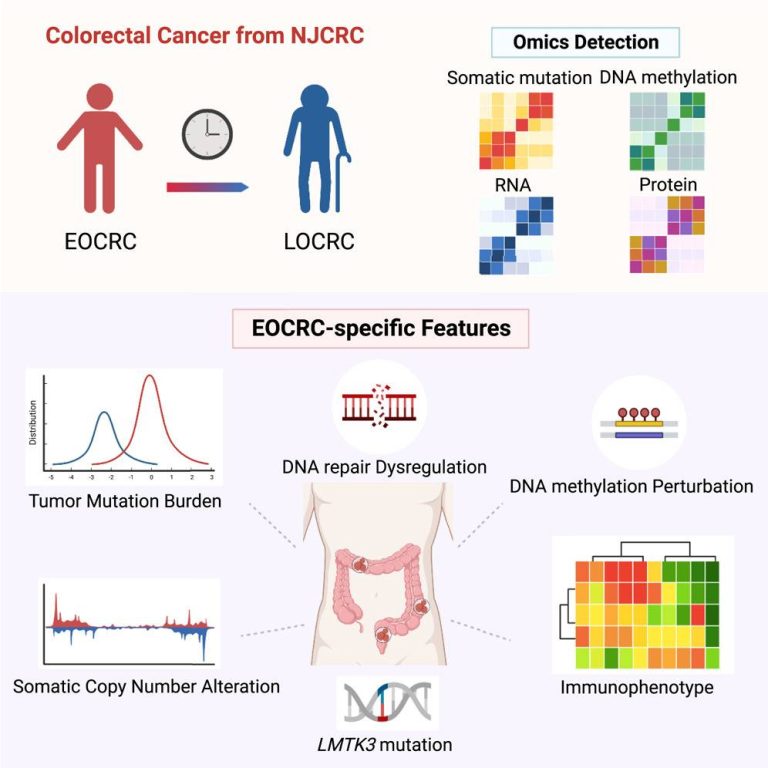
There is a growing number of incidences of colorectal cancer in people under the age of 50 (EOCRC), but the intrinsic molecular mechanisms underpinning it are not very well understood. A recent study was conducted on 79 CRC patients of Chinese ancestry to understand the differences in the omics of EOCRC compared to general CRC….
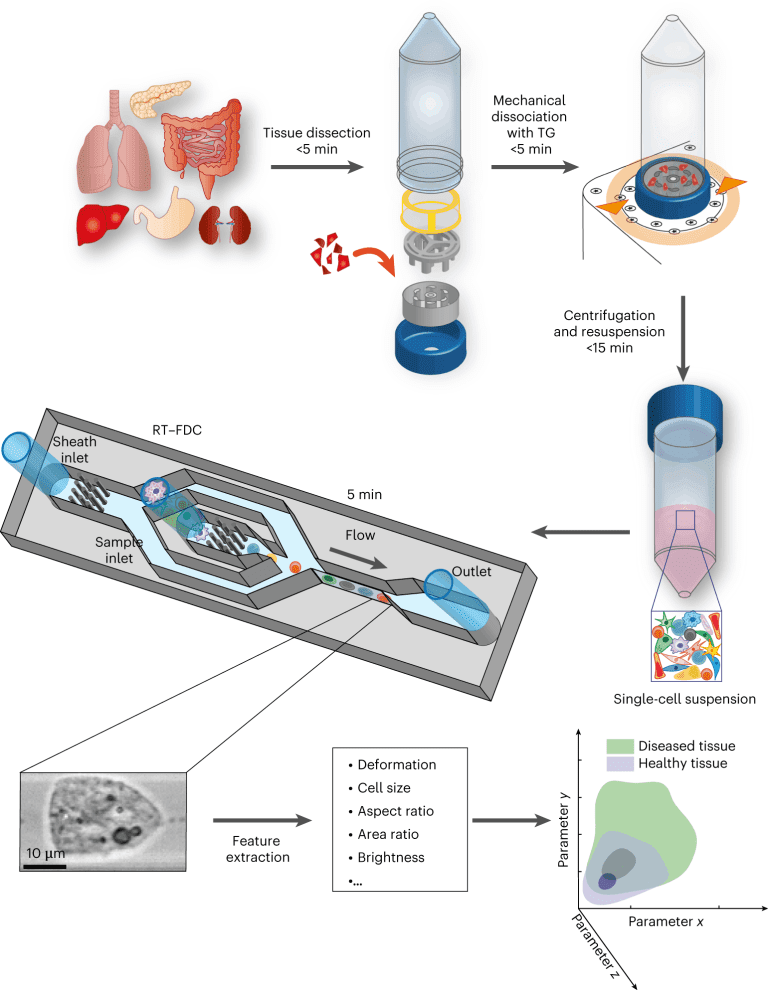
Scientists from the Max Planck Institute for the Science of Light, Germany, have developed a novel methodology for rapid pathological analysis of cells from cancerous tissue samples using artificial intelligence and a single-cell approach. This methodology is capable of generating tumor biopsy analysis results in as early as 30 minutes, enabling intra-operative consultation pathology, which…

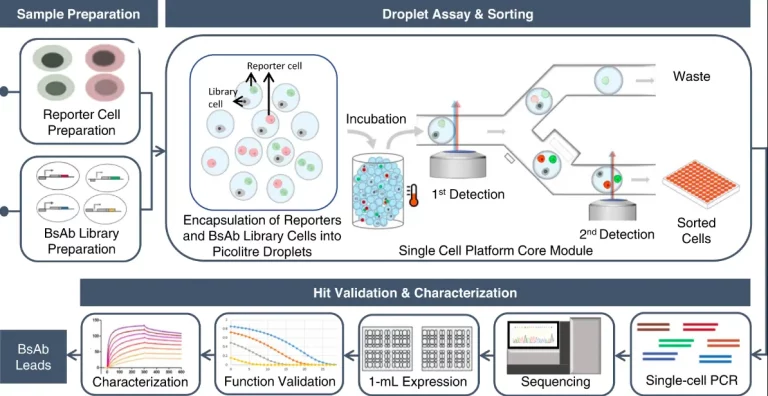
Bispecific antibodies (BsAbs) are an emerging type of immunotherapy and have great potential to treat various diseases. Recently, researchers have developed a novel single-cell platform that can efficiently discover rare BsAb clones with unique and desirable properties that would otherwise be close to impossible to discover using other existing conventional low-throughput, biased, and trial-and-error methods….

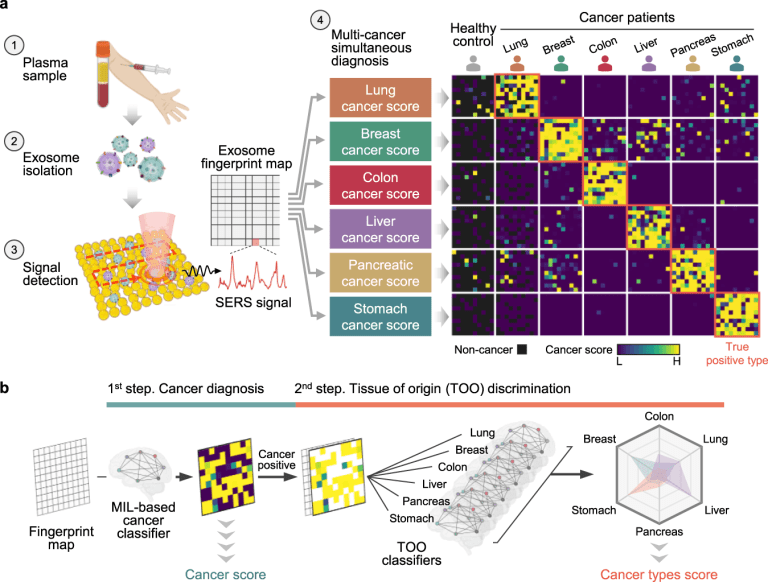
Conventionally, cancer diagnostic procedures have been known for their invasive nature and enormous cost. However, researchers from KAIST and Korea University have developed a novel diagnostic approach that combines AI and innovative technology for an affordable, accessible, and non-invasive diagnosis of multiple types of cancer at an early stage under high resolution. In the study,…

Lawrence Livermore National Laboratory, California’s scientists have developed a theoretical model based on Dynamic Density Functional Theory (DDFT) for modeling multicomponent cellular membranes as a continuum. The cellular membranes considered are composed of an arbitrary number of lipid types, and the continuum model for the cellular membranes is trained on molecular dynamics (MD) simulations. Within…

Cancer therapies often become ineffective due to the development of resistance in the tumor cells against the treatment. One potential strategy to overcome this resistance was treating the patients with a combination of drugs. Scientists conducted a study to improve cancer treatment by developing deep-learning models for drug synergy prediction. The models were designed to…

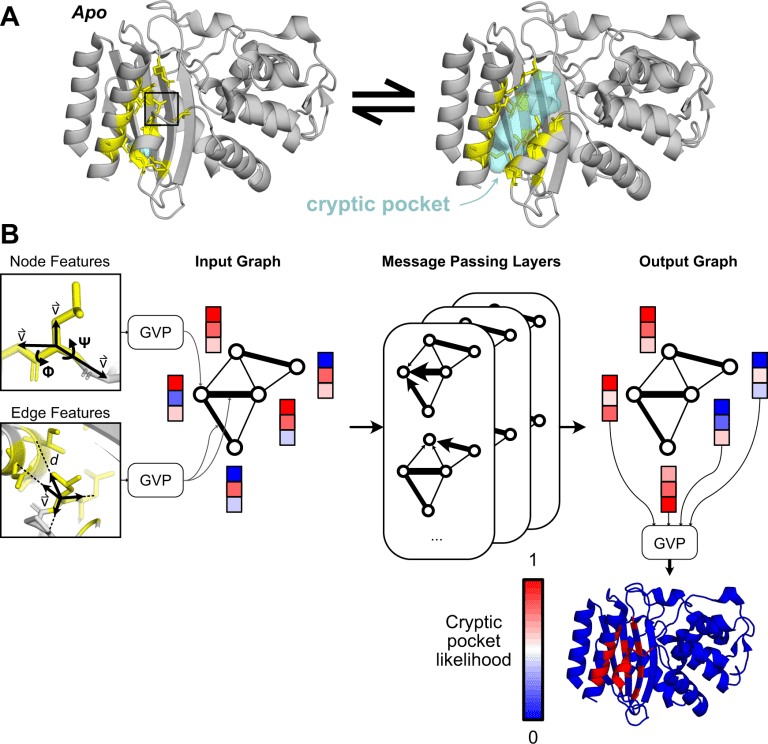
The discovery of cryptic pockets has widened the scope of drug development by permitting the targeting of proteins previously deemed undruggable due to the absence of pockets in their ground-state structures. However, detecting cryptic pockets takes a significant amount of time and effort. PocketMiner is a machine learning tool built by researchers from the University…

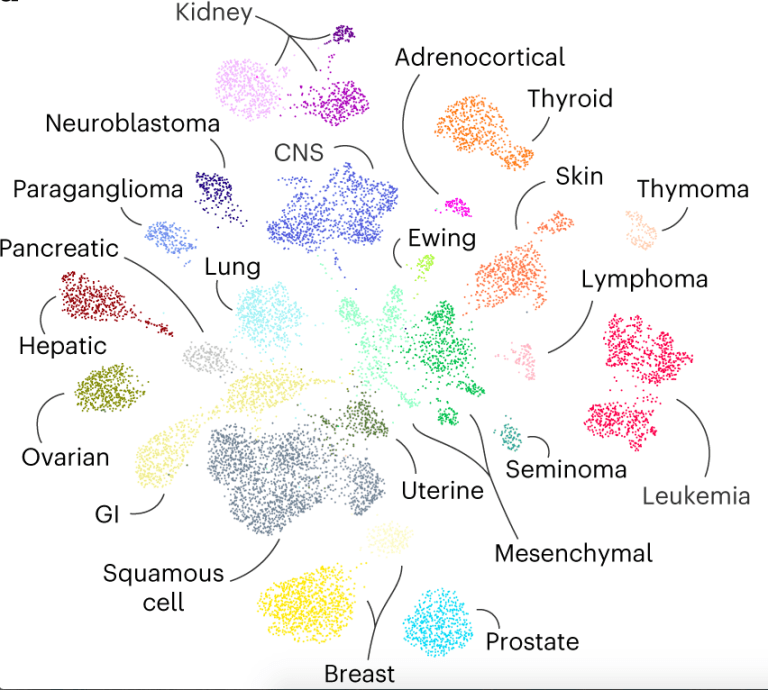
Scientists from The Hospital for Sick Children, Toronto, have developed an atlas for childhood cancer diagnostic classification using machine learning approaches. Pediatric cancers are one of the leading causes of mortality in children worldwide. However, there is no comprehensive molecular assay for pediatric cancer diagnosis and classification. Currently available transcriptome-based diagnostic tools are based on…

Scientists from Germany have developed SCEMILA, an inherently explainable AI tool for identifying diagnostic cells of acute myeloid leukemia (AML) subtypes. The authors find that the high-attention cells identified by SCEMILA coincide with cells labeled as diagnostically relevant by human experts. The model is trained based on single white blood cell images from digitized blood…

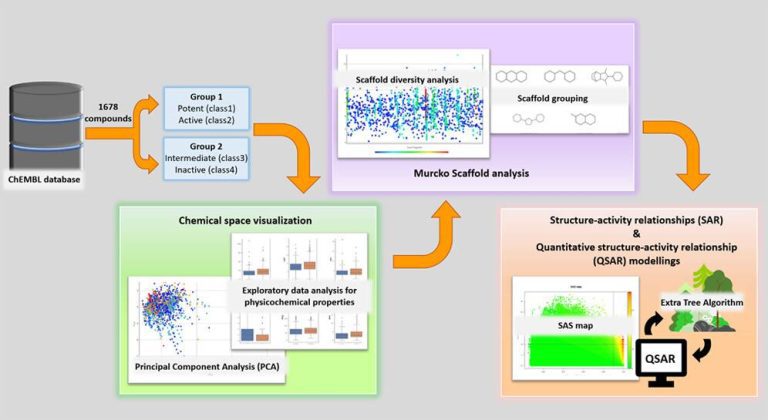
Researchers from Thailand perform a systematic cheminformatics analysis and machine learning modeling to study how human Androgen Receptors (AR) antagonists combat Prostate cancer, one of the leading causes of death in male cancer patients. Androgen receptor signaling drives the growth and prostate cancer progression. The authors perform the study on human AR antagonists from the…

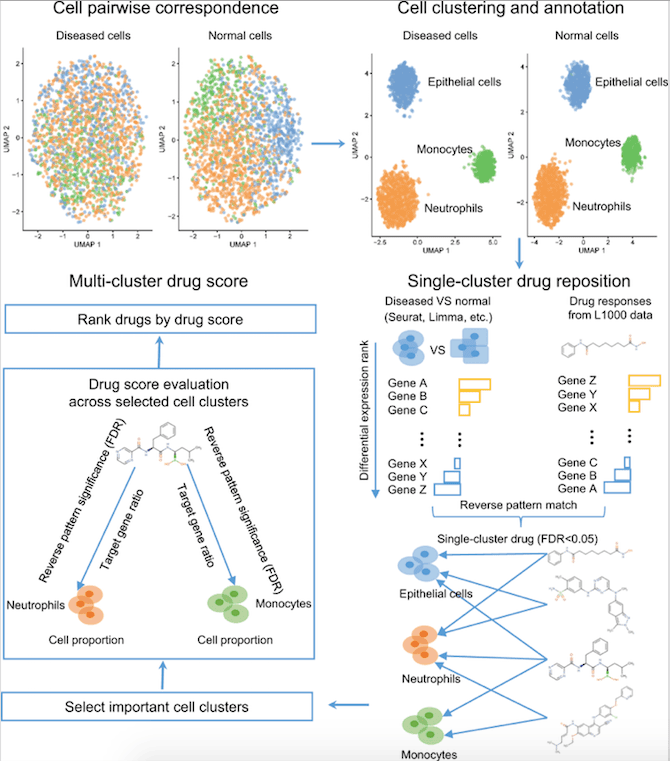
Scientists from the University of Michigan have developed a single-cell guided pipeline to aid the repurposing of drugs (ASGARD) by defining a drug score for drug recommendation. The drug score is calculated by considering intercellular heterogeneity in each patient tissue sample. Single-cell RNA sequencing (scRNA-seq) is essential for addressing and analyzing intercellular heterogeneity in several…

Researchers from Scripps Research and Japan have discovered how a protein’s “poisoned” form can set off a chain of events promoting specific cancers’ growth. The research findings were published in Nature Communications. A potential drug that could return the protein to its original state was developed as a result of this study. The drug significantly…

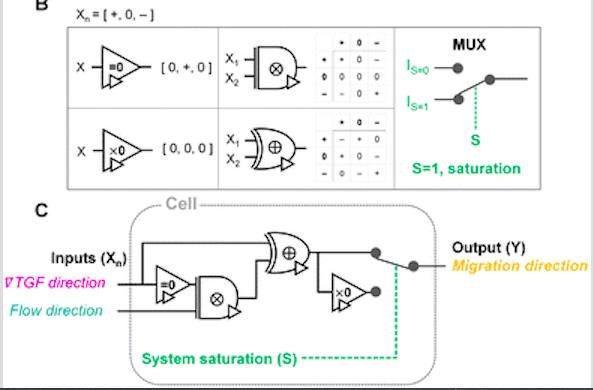
Scientists from Purdue University unravel cell migration direction under the influence of environmental cues using a ternary logic gate system. Cells detect several environmental cues and process intracellular signals to determine the direction of migration. Cell migration is involved in various physiological mechanisms as well as pathological processes. Signaling pathways and molecules involved in directed…

Cancer is one of the prominent causes of death globally, and discovering new methods to prevent and cure it is important for public health. Understanding the particular nutrients that cancer cells require is one of the strategies researchers are investigating to fight the disease. Arginine is one of the important amino acids produced by our…

Accurately identifying somatic mutations and differentiating them from germline variations is critical for precision oncology and precise tumor-mutational burden (TMB) computation. For this purpose, three trained machine-learning models, TabNet, XGBoost, and LightGBM, were utilized, and state-of-the-art performance was achieved, with concordance between matched-normal and tumor-only TMB improving from R2=0.006 to R2=0.73. The racial biases in…

Owkin, an AI biotech company, has successfully used federated learning (FL) for the first time to train deep learning models on histopathology data from multiple hospitals without the need for the data to be transferred outside of hospital security systems. This groundbreaking achievement was reported in a study published in Nature Medicine. The unveiling of this…

According to a recent study from Karl Landsteiner University of Health Sciences (KL Krems), using radiomics and deep learning algorithms can quickly and accurately distinguish between glioblastoma (primary tumors) and brain metastases. The study, which was published in Metabolites, discovered that magnetic resonance-based radiological data of tumor oxygen metabolism provide a solid foundation for discrimination via…
| Cookie | Duration | Description |
|---|---|---|
| cookielawinfo-checkbox-analytics | 11 months | This cookie is set by GDPR Cookie Consent plugin. The cookie is used to store the user consent for the cookies in the category "Analytics". |
| cookielawinfo-checkbox-functional | 11 months | The cookie is set by GDPR cookie consent to record the user consent for the cookies in the category "Functional". |
| cookielawinfo-checkbox-necessary | 11 months | This cookie is set by GDPR Cookie Consent plugin. The cookies is used to store the user consent for the cookies in the category "Necessary". |
| cookielawinfo-checkbox-others | 11 months | This cookie is set by GDPR Cookie Consent plugin. The cookie is used to store the user consent for the cookies in the category "Other. |
| cookielawinfo-checkbox-performance | 11 months | This cookie is set by GDPR Cookie Consent plugin. The cookie is used to store the user consent for the cookies in the category "Performance". |
| viewed_cookie_policy | 11 months | The cookie is set by the GDPR Cookie Consent plugin and is used to store whether or not user has consented to the use of cookies. It does not store any personal data. |