NGS Data Analysis for Beginners: The Pipeline, Tools and First Commands
A beginner’s guide to NGS data analysis: the pipeline from FASTQ reads to annotated variants, the tools at each step, starter commands and free practice data.
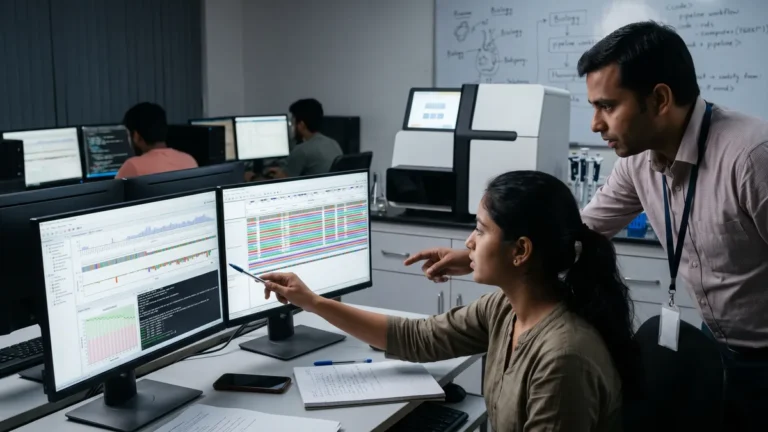
A beginner’s guide to NGS data analysis: the pipeline from FASTQ reads to annotated variants, the tools at each step, starter commands and free practice data.
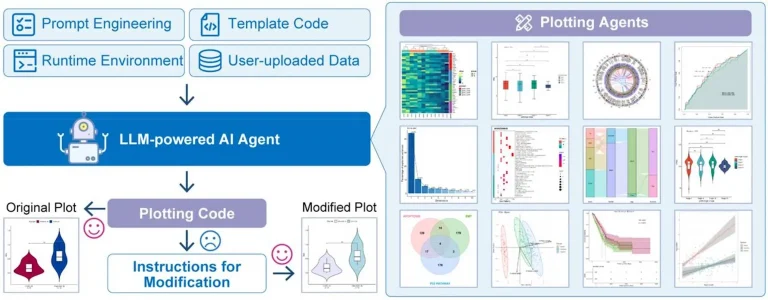
The research team affiliated with Sun Yat Sen University in Guangzhou engineered PlotGDP, an AI-based web server tool designed to assist people with various bioinformatics plotting tasks, with no coding or environment deployment required. Biomedical research catalyzes progress in medicine, diagnostics, and therapies. Thousands of papers are published on a daily basis across journals. Without…

Researchers from Rice and Boston universities developed CLASSIC, a platform that combines long- and short-read sequencing to measure over 100,000 multi-gene circuits in human cells. The resulting data was used to train machine learning models to predict circuit behavior and uncover rules for part compositions, accelerating the design-build-test-learn cycle in synthetic biology. Limitations of the…

Next-generation sequencing has transformed gene expression profiling into a routine experiment, but interpreting those matrices remains a challenge for many labs. Researchers from Kyungpook National University, Republic of Korea, address this gap by developing an “agentic” AI system that can plan, execute, and interpret RNA-sequencing downstream analysis for researchers with limited biological backgrounds. As a…
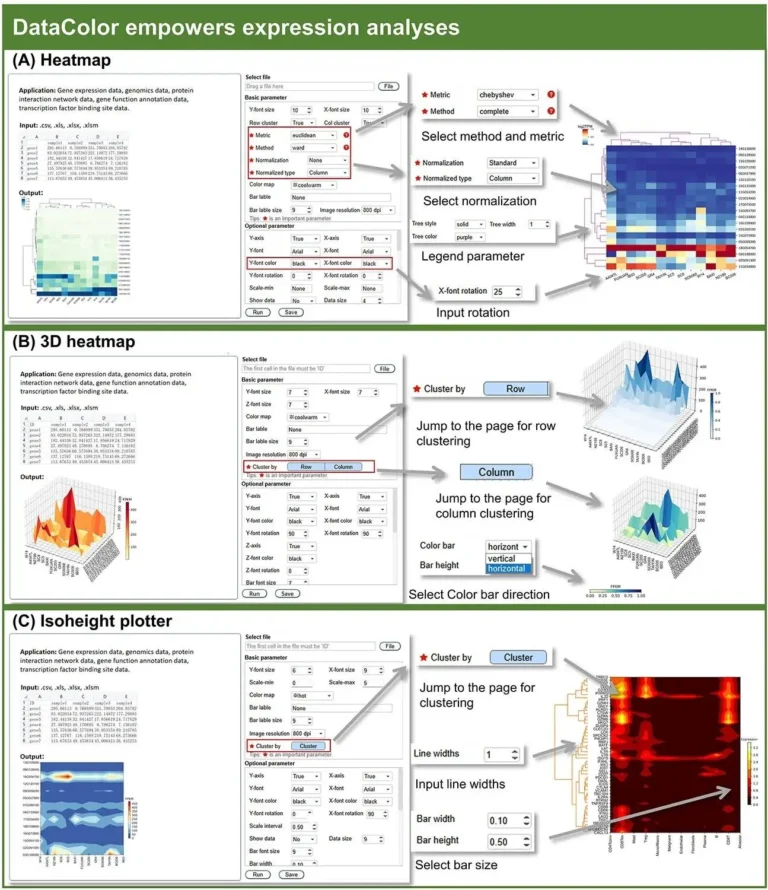
The display of many types of data with different orders of magnitude is a critical challenge in the rapid development of high-throughput omics technologies. Researchers from Hainan University and Sun Yat-Sen University present DataColor, a comprehensive software solution that has been painstakingly developed to address this issue and to close this gap. DataColor is an…
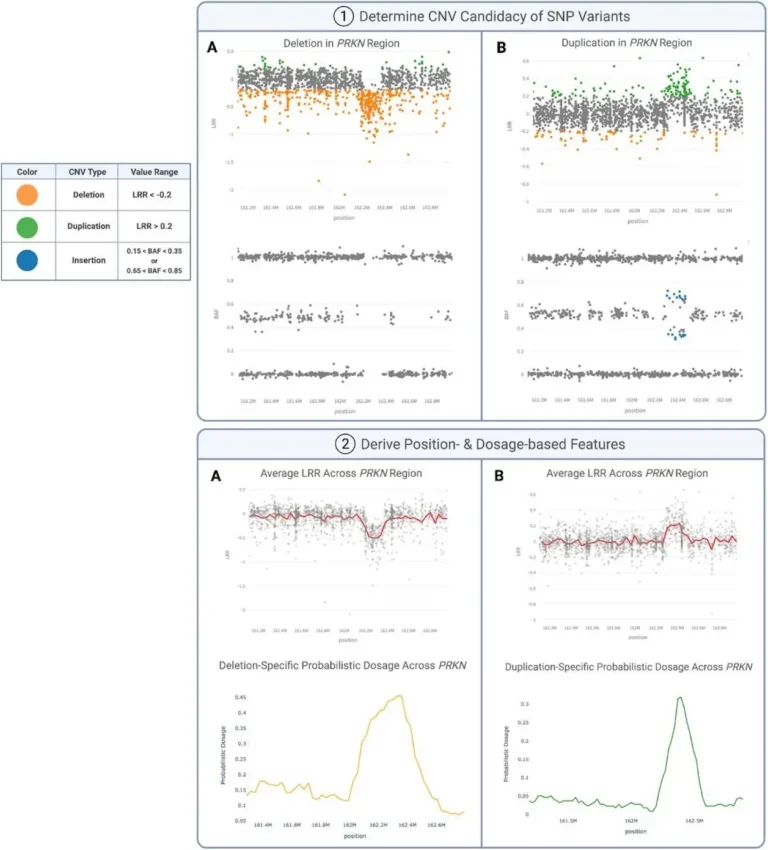
A prevailing challenge in genomics still revolves around the comprehension of structural variants, one of which is copy number variation (CNV). To undertake the task of conquering this challenge, researchers from the National Institutes of Health, along with others, have developed a groundbreaking software known as CNV Finder. This deep-learning-based software assists in CNV identification and aids in redefining…

Researchers from the AI for Science Interdisciplinary Research Center, Northwestern Polytechnical University, China, have introduced a ground-breaking tool that may change how single-cell RNA sequencing (scRNA-seq) data is analyzed. It is called CellAgent and uses an LLM-driven multi-agent framework, which automates the complex task of extracting useful insights from such intricate data. Single-cell RNA sequencing…

Antibiotic resistance is increasing as a global problem, meaning previously effective treatments for bacterial infections have ceased to work. It is vital to accurately identify the antibiotic resistance profile of an infection to choose the right antibiotic and improve patient outcomes. In Germany, researchers from the Technical University of Munich (TUM) are exploring this possibility…

In one of the significant research studies, the researchers of Boston Children’s Hospital, Harvard Medical School, and Broad Institute of Harvard and MIT, Cambridge, presented a new technique known as bacterial-MERFISH to study bacterial behavior at the single-cell level. Packed with volumetric expansion coupled with multiplexed error-robust fluorescence in situ hybridization (MERFISH), it is a…

The significance of comprehending gene expression regulation in tissue development is highlighted by the examination of disease progression through methods such as ChIP-seq and ATAC-seq. On the other hand, the growing volume of data poses computing difficulties, and the dearth of organized tools emphasizes the requirement for effective analysis platforms. Researchers from the Shanghai Institute…
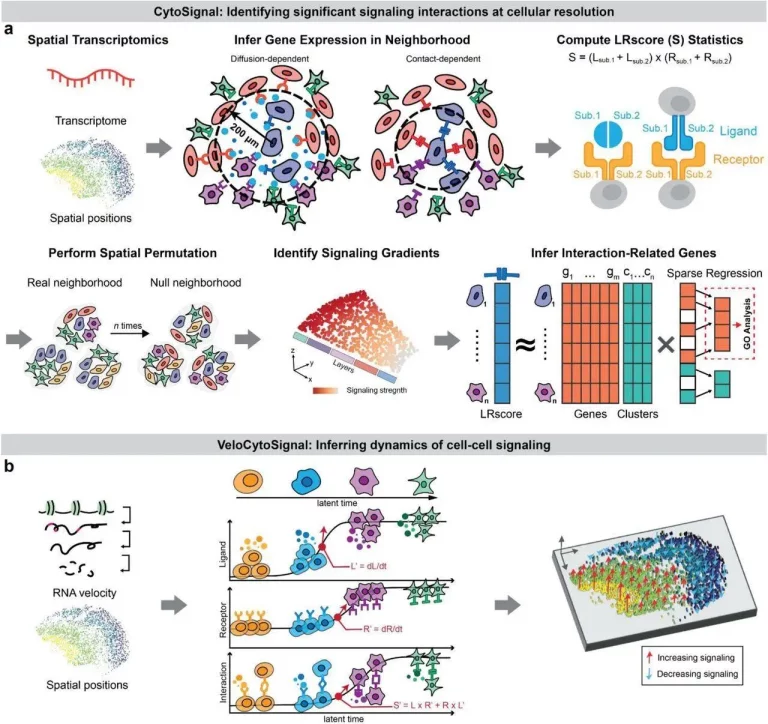
A thorough understanding of the cellular connections inside these tissues is being made possible by technologies that use spatial transcriptomic approaches to revolutionize the study of ligand-receptor signaling in tissues. CytoSignal was created by researchers from the University of Texas and the University of Michigan to use spatial transcriptomic data to infer the locations and…
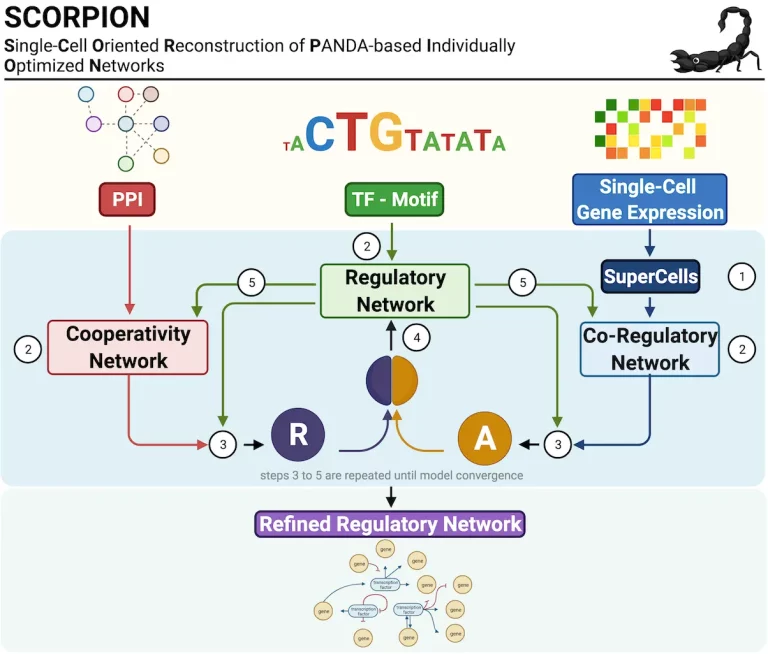
Gaining insight into the intricate workings of genes within cells is essential to comprehending biological processes and illnesses. Bulk RNA sequencing, which hides diversity within cell populations and analyzes average gene expression across numerous cells, has historically been the focus of study. On the other hand, single-cell RNA sequencing, or scrRNA-seq, has become a powerful…
The All of Us Research Program, with its ambitious objective of creating a diverse cohort of one million volunteers and making their data available for research, has enormous potential for revealing new information about human health and illness. Researchers have discovered more than 275 million previously unreported genetic variants, identified from data shared by nearly…
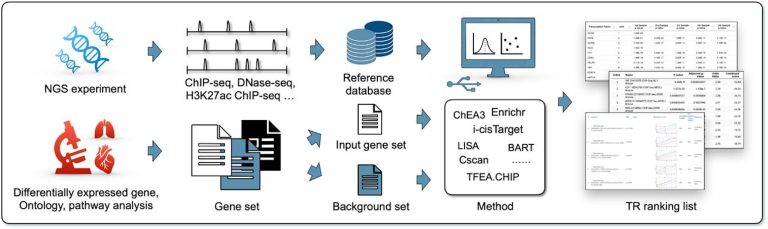
This article delves into a recent study undertaken by a team of researchers that examined multiple computer algorithms for transcriptional regulator prediction using Next-Generation Sequencing (NGS) data. Grasping biological processes and developing personalized medications necessitates a deep understanding of gene control. Transcriptional regulators (TRs) control the expression of certain genes, and NGS technology has enabled…

Transposable elements (TEs) supply genomes with both coding and non-coding sequences and have significant roles in evolution. However, the extent of TE annotations in each species has limited the identification of TE-derived functional components to reasonably intact TE sequences. Here, scientists from the École Polytechnique Fédérale de Lausanne, Switzerland, present a novel method that they…

For decades, tracing the lineage of individual cells has been a difficult and unreliable task. Existing methods like dye labeling and genetic barcoding have many limitations. To tackle these limitations and problems, a group of researchers from the California Institute of Technology, USA, developed “baseMEMOIR,” a multiplexed phylogenetic recording system that enables detailed recording of…

While chromosomal synthesis and cloning are expensive and time-consuming processes, CReATiNG (Cloning, Reprogramming, and Assembling Tiled Natural Genomic DNA), a method introduced by researchers at the University of Southern California, presents a viable substitute. With this technique, sections of natural chromosomes are cloned and put together to create synthetic chromosomes. CReATiNG can change a cell’s…

The introduction of NGS transformed the field of biology, allowing for greater insights into biological mechanisms through the gathering of rich, accessible data. However, important context is lost due to the data being conventionally stored in tabular formats, which erase the impacts that spatial connectivity has on genes and gene expression. A new framework, GENIUS…
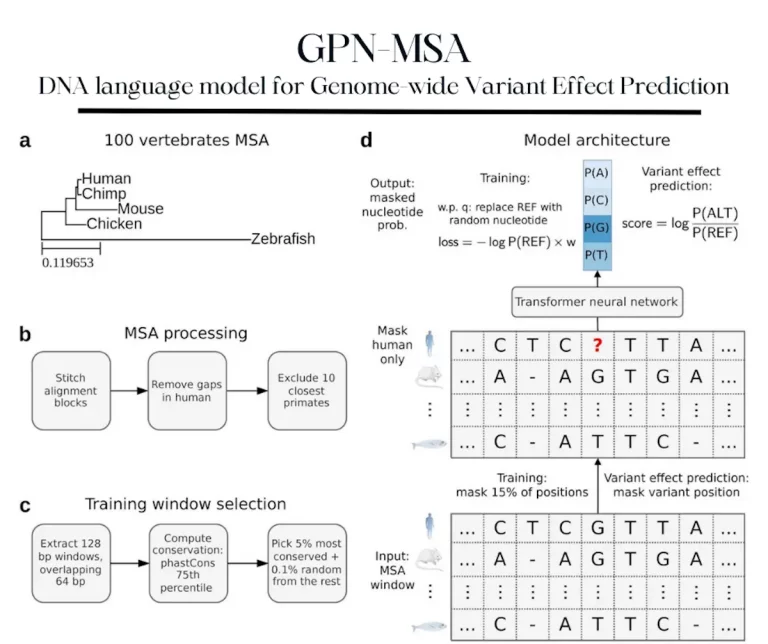
In the dynamic landscape of biology, researchers around the world aim to unlock the secrets held in the genetic code. With the introduction of whole genome sequencing, a new world was opened to science: one where genetic blueprints could be unraveled and studied with ease. Recently, the impact of genome-wide variants on human pathophysiology has…

Cell-cell interactions (CCIs) are pivotal in various biological functions, including cellular differentiation, tissue maintenance, and immune reactions. As single-cell RNA sequencing (scRNA-seq) techniques advance, the need to discern CCIs from the growing pool of data becomes crucial. A groundbreaking technique, “DeepCCI,” developed by researchers from the Harbin Institute of Technology, China, uses scRNA-seq data to…

Through the advent of CRISPR-Cas12, scientists have managed to unlock a new world of gene editing and reprogramming, with important applications for diagnostics, therapeutics, agricultural science, and more. However, their bacterial origin may make them difficult to work with as researchers begin to explore the potential of human genome editing. A new study led by…

Tumors that affect the central nervous system are among the most fatal kinds of cancer, especially in pediatric cases. Surgical removal of the tumor is usually the prescribed course of action, made harder by the fact that the surgeons performing the procedure will not be able to determine the kind of tumor they’re dealing with…
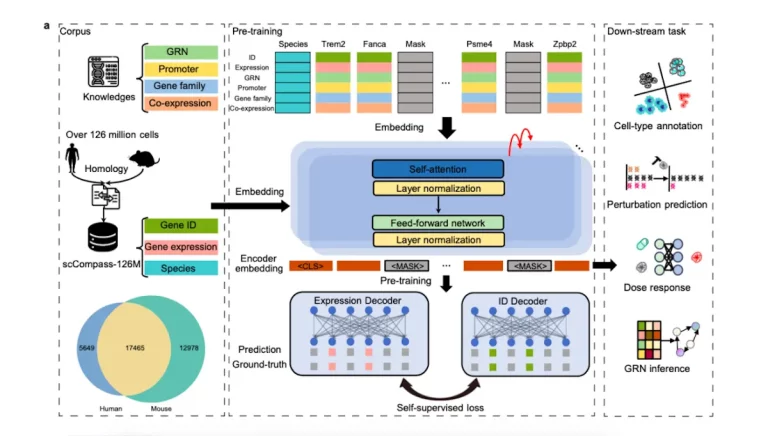
A team of researchers from the University of Chinese Academy of Sciences, China, and collaborators developed GeneCompass, one of the first foundation models of its kind that encompasses a vast expanse of knowledge across a diverse array of species, owing to the fact that it has been trained on over 120 million single-cell transcriptomes derived…
Exploring bulk RNA-seq data has become a cornerstone for uncovering crucial insights into gene expression patterns and their relationship to phenotypes in biomedical research. One of the key tools in this domain is DESeq2, a powerful R package that has revolutionized differential expression analysis. However, a recent trend towards Python-based bioinformatics tools has highlighted the…

Researchers from the University of Greifswald, Germany, introduced a new version of the BRAKER software BRAKER3, notably improving the annotation of eukaryotic genomes. Its superior performance in eukaryotic genome annotation, particularly for species with large and complex genomes, signifies a promising advancement in bioinformatics with far-reaching implications for genomic research and applications in diverse fields….
Researchers from the University of Pittsburgh, USA, have made a momentous breakthrough in the realm of single-cell sequencing with the creation of IndepthPathway, an innovative method for pathway enrichment analysis from scRNA-seq data. Overcoming the challenges posed by high noise and low gene coverage in single-cell sequencing, this tool employs the Weighted Concept Signature Enrichment Analysis…

Researchers from the Jackson Laboratory for Mammalian Genetics, USA, have built RNA Strain-Match, a quality control tool helpful in matching RNA data to their corresponding genotypes. A significant possibility exists that some samples will be switched or mislabeled during large-scale next-generation sequencing (NGS). Therefore, it is beneficial to have tools or techniques present within the…
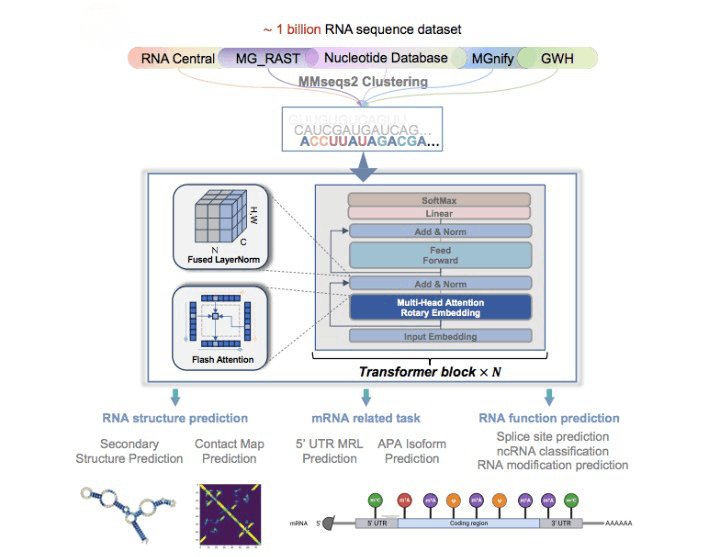
Uni-RNA, a context-aware deep learning model developed by DP Technology, Beijing, China researchers, delivers state-of-the-art performance in unwrapping structural, functional, and evolutionary information intercalated in RNA sequences. The study has illustrated the dramatic potential of Uni-RNA, empowered by large pre-trained models, in fostering further understanding of the RNA world, paving breakthrough findings and developments. A…
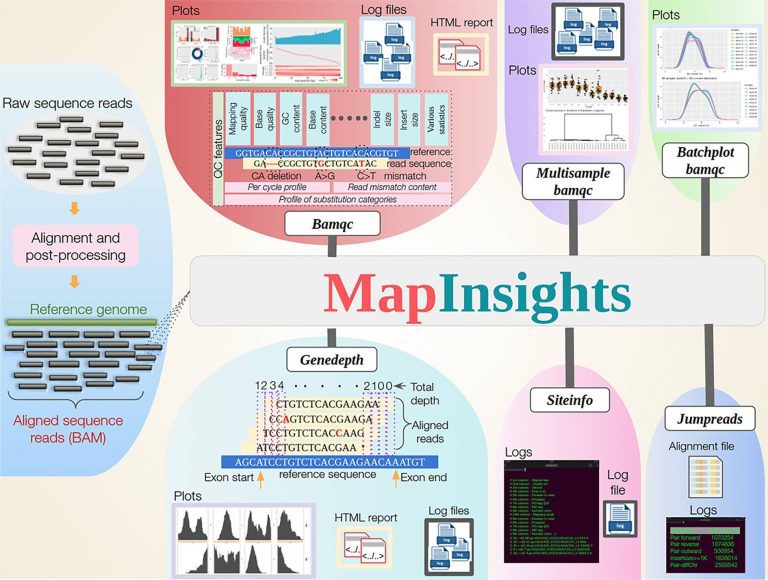
High-Throughput Sequencing (HTS) has drastically transformed the world of genomics by allowing rapid and accurate detection of genomic variations at the level of individual base pairs. However, the presence of technical artifacts (hidden non-random error patterns affecting the accuracy of variant identification) degrades HTS data quality. Scientists from the National Institute of Biomedical Genomics, India,…

Single-cell histone post-translational modification (scHPTM) assays, such as scCUT&Tag or scChIP-seq, have emerged as powerful tools for mapping epigenomic landscapes within complex tissues. These assays enable the exploration of various histone modifications at the single-cell level, holding the key to unlocking crucial mechanisms in development and disease. However, challenges still need to be overcome in…

Chromatin conformation capture techniques have revolutionized our understanding of genome organization and its impact on gene regulation. Hi-C, the gold standard method for investigating chromatin contacts, has shed light on the three-dimensional organization of the genome. Nonetheless, new developments in genomic technology have opened the door for new strategies that offer a more thorough understanding…

Transcriptomics has revolutionized our understanding of gene expression and its impact on biological processes. High-dimensional transcriptomics data provides researchers with much information, but analyzing such datasets can be challenging. However, an innovative method called hdWGCNA (high-dimensional weighted gene co-expression network analysis), developed by scientists from the University of California, Irvine, has emerged as a powerful…
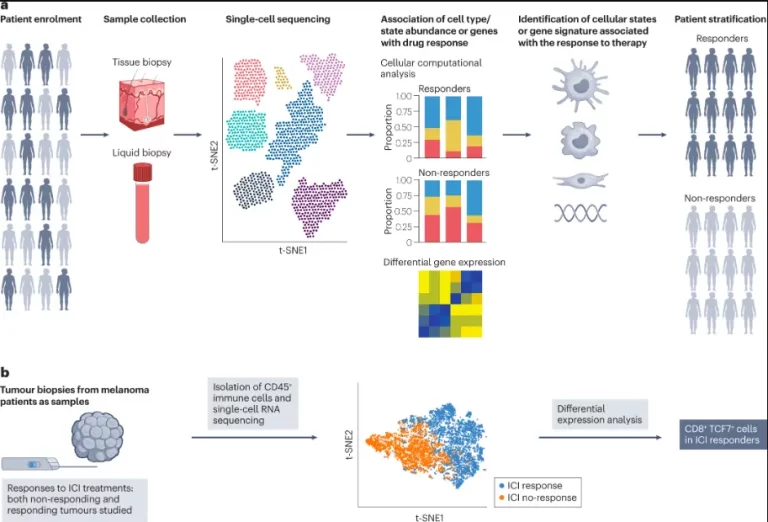
The primary objective of modern proteomics studies is to analyze and isolate the proteome of individual cells from a pool of similar cells. Existing techniques like RNA sequencing, microarrays, quantitative PCR, and reverse transcription-PCR (qRT-PCR) are designed to analyze RNA in a population of cells in general. These techniques fail to quantify phenotypically different individual…
Scientists from the University of Toronto, Canada, have developed a foundation model for single-cell analysis, scGPT, by generative pre-training on over ten million cells. The generative pre-trained transformer for single-cell analysis is capable of capturing meaningful and crucial biological insights at the gene and cellular levels. The foundation model can be finetuned for numerous downstream…

Scientists from UPenn have developed a suite of tools and algorithms for analyzing heterogeneous and large RNAseq datasets for detecting, quantifying, and visualizing the splicing variations therein. The suite of algorithms and tools is present as a part of the package MAJIQ version 2. The former MAJIQ (Modeling Alternative Junction Inclusion Quantification) package was developed…

Next-generation sequencing (NGS) is becoming increasingly accessible and affordable, illustrating its growing importance and adoption in the field of clinical and biomedical genetics. To keep up with this growth, King’s College London researchers have developed DNAscan2, a novel, user-friendly, end-to-end pipeline for analyzing NGS data. The software’s versatility, scalability, and the fact that it is…

In the past few years, there has been a significant increase in multi-omics data generation for biomedical research. However, the analysis of these large-scale, complex, and heterogeneous datasets represents an enormous challenge for researchers. Recently, researchers from the Allen Institute of Immunology have developed a ground-breaking PALMO platform, which contains five analytical modules allowing the…
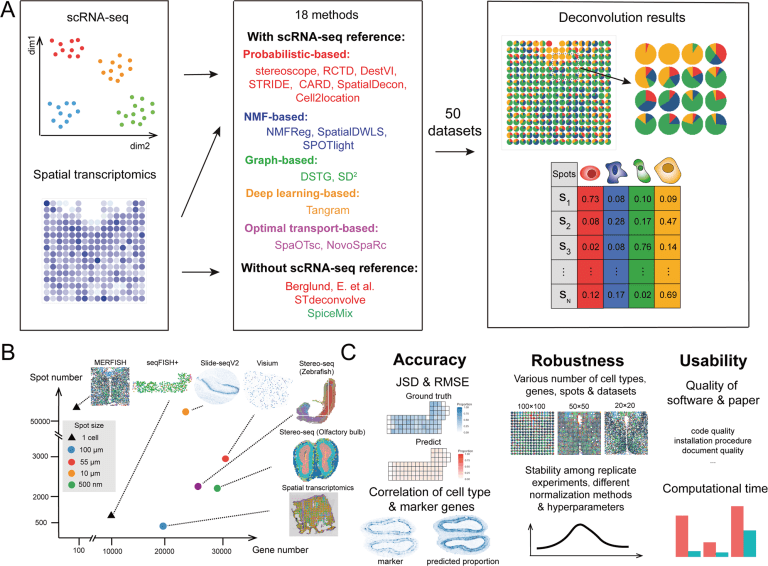
A recent study published in Nature Communications comprehensively evaluated computational methods used for spatial transcriptomics data analysis. The scientists investigated how well various advanced computer methods performed on real and simulated datasets and recommended which method to use depending on the type of analysis required. The guidelines may be helpful to researchers who want to improve the…
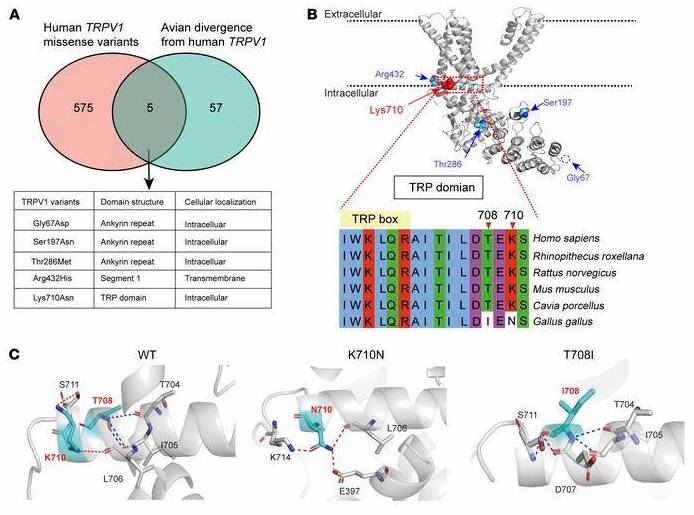
The experience of pain is complicated, subjective, and unique to each person. While some people have a high pain tolerance, others may regard even minor discomfort as excruciating pain. Pain affects over 1.5 billion people worldwide and costs more than $600 billion in the United States annually. Despite the availability of various pain relief medications,…
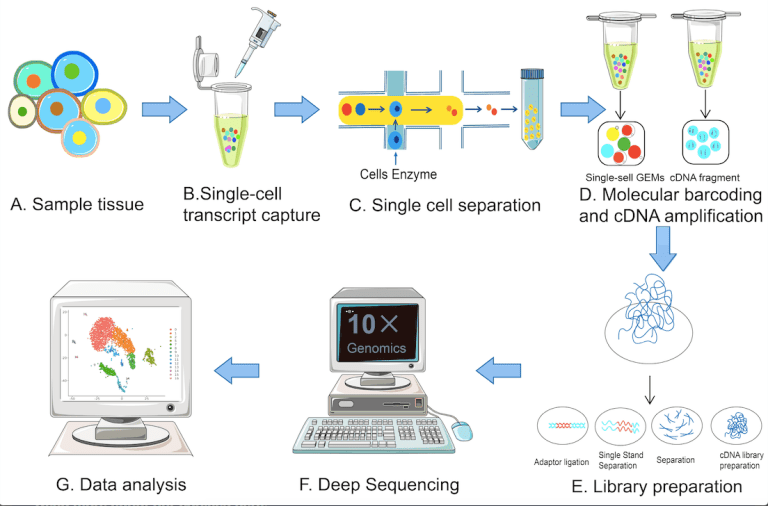
Single-cell RNA sequencing (scRNA-seq) has proved to be a powerful tool for deciphering the entire repertoire of transcripts in a single cell. Traditional sequencing techniques detect averaged transcript levels for cell populations. The emerging technology of scRNA-seq enables the classification of cell subpopulation and cell heterogeneity. The authors of the review focus on the recent…
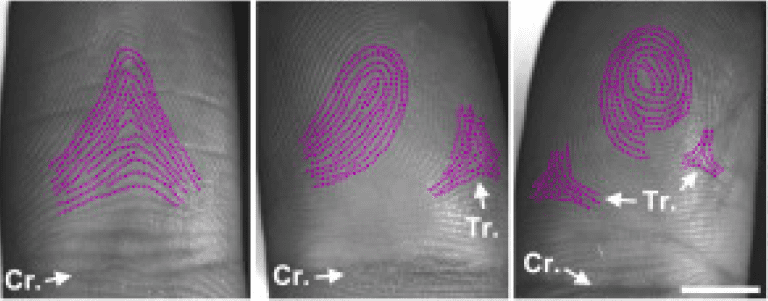
Scientists from Edinburgh have solved the mystery behind the formation and variation in fingerprint patterns. Fingerprints are complex patterns, unique to every individual, and are determined before birth. The researchers from the University of Edinburgh unravel the molecular and cellular mechanisms underlying fingerprint ridge formation and their intricate arrangements. Fingerprint ridges are found to be…
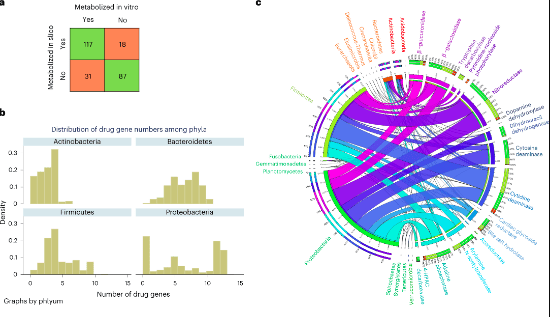
The digestive system is home to trillions of bacteria, which are very different in each person based on their gender, age, race, lifestyle, and health. For precision medicine to include microbial metabolism, computer models would have to be expandable and able to resolve strains and molecules. This study introduces us to AGORA2 – assembly of…

Cancer is one of the prominent causes of death globally, and discovering new methods to prevent and cure it is important for public health. Understanding the particular nutrients that cancer cells require is one of the strategies researchers are investigating to fight the disease. Arginine is one of the important amino acids produced by our…

Most SARS-CoV-2 patients experience anosmia, or a loss of smell, which can linger for months after recovery. According to olfactory epithelium samples taken from 24 biopsies, T cell-mediated inflammation continues in the olfactory epithelium even after SARS-CoV-2 has been removed from the tissue, indicating a mechanism for long-term post-COVID-19 smell loss. The severe acute respiratory…

Scientists from the University of Cambridge have introduced a cutting-edge DNA sequencing method that can precisely pinpoint the location and mechanism of small molecule drugs interacting with the targeted genome. The novel technique has the potential to provide valuable insights into the drug development process and increase our understanding of the complex interactions between drugs…

The Children’s Hospital of Philadelphia (CHOP) scientists have created ESPRESSO, a new computational tool for analyzing RNA-seq data. ESPRESSO aims to improve the detection and quantification of transcript isoforms, which are variations of a gene that can serve different functions. ESPRESSO is particularly useful when dealing with long-read RNA-seq data, which can be prone to…

The mechanical properties of DNA are affected by various processes, including local sequence and epigenetic modifications. It has been challenging to understand the relationship between these modifications and DNA’s mechanical properties because of a lack of efficient experimental methods. Durham University researchers, in collaboration with researchers from Johns Hopkins University, Barcelona Institute of Science and…

The Bioinformatics and Genomics Group at the University of Barcelona has developed “RGT” (Regulatory Genomics Toolbox), a powerful tool for the integrative analysis of high throughput regulatory genomics data. RGT is a comprehensive and user-friendly software package that allows researchers to analyze and interpret complex data sets. The integration and analysis of high-throughput regulatory genomics…

Researchers at UC Riverside have made a breakthrough in understanding the signals that plants use to initiate photosynthesis, the process of converting sunlight into sugars. These signals have long been a mystery to scientists. The team’s findings offer new insights into how photosynthesis is regulated in plants. It has been known for decades that the…

In this article, we will be exploring how machine learning (ML) techniques can be used to identify and analyze biomarkers from next generation sequencing (NGS) data. Biomarkers are specific biological molecules or characteristics that can be used to identify the presence or severity of a particular disease or condition. They play a crucial role in…
| Cookie | Duration | Description |
|---|---|---|
| cookielawinfo-checkbox-analytics | 11 months | This cookie is set by GDPR Cookie Consent plugin. The cookie is used to store the user consent for the cookies in the category "Analytics". |
| cookielawinfo-checkbox-functional | 11 months | The cookie is set by GDPR cookie consent to record the user consent for the cookies in the category "Functional". |
| cookielawinfo-checkbox-necessary | 11 months | This cookie is set by GDPR Cookie Consent plugin. The cookies is used to store the user consent for the cookies in the category "Necessary". |
| cookielawinfo-checkbox-others | 11 months | This cookie is set by GDPR Cookie Consent plugin. The cookie is used to store the user consent for the cookies in the category "Other. |
| cookielawinfo-checkbox-performance | 11 months | This cookie is set by GDPR Cookie Consent plugin. The cookie is used to store the user consent for the cookies in the category "Performance". |
| viewed_cookie_policy | 11 months | The cookie is set by the GDPR Cookie Consent plugin and is used to store whether or not user has consented to the use of cookies. It does not store any personal data. |