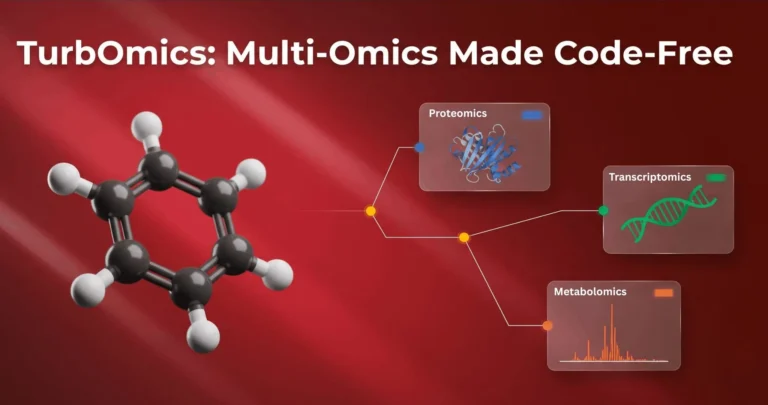
TurbOmics: A Free, No-Code Web Platform That Puts Metabolomics at the Center of Multi-Omics Analysis
TurbOmics, a free web platform from CNIC and EMBL, integrates metabolomics with proteomics and transcriptomics data, no coding needed.
Bioinformatics tools, software, databases and web servers: what they do and how researchers use them.
TurbOmics, a free web platform from CNIC and EMBL, integrates metabolomics with proteomics and transcriptomics data, no coding needed.
The work behind AlphaGenome Atlas comes from a large team at Google DeepMind, led by researchers working alongside scientists from the University of Exeter Medical School, the Broad Institute of MIT and Harvard, Boston Children’s Hospital, the Stowers Institute for Medical Research, and several other research centers in the US and UK. Together, they have…
OpenAI has introduced Rosalind Workbench, a new research-preview environment available through the ChatGPT app that brings scientific tools, specialized biology models, and data workflows into a single connected space — letting researchers move from a biological question to inspectable evidence without losing the thread between disconnected tools. Scientific research rarely happens inside a single application….
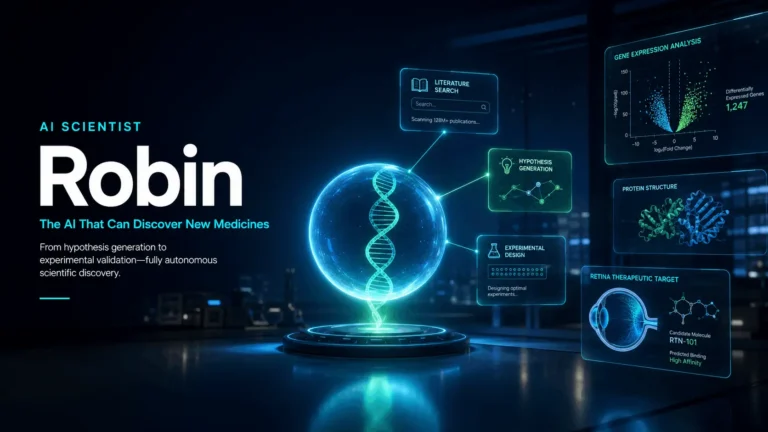
A team from the FutureHouse, University of Oxford and Fordham University published a paper in Nature describing something that sounds like science fiction but is very real lab work: an AI system that proposed, tested, and refined a new drug candidate for an eye disease almost entirely on its own. The system is called Robin,…
Picking the right treatment for a patient is rarely a one-step decision. A doctor has to think about the disease, the patient’s other health conditions, the drugs they’re already taking, possible interactions, and warnings that keep changing as new research comes out. It’s a slow, careful process of gathering facts before concluding. A team of…
NVIDIA launched the BioNeMo Agent Toolkit, a set of AI-ready tools that lets AI agents act like scientists by enabling them to choose models, reason across workflows, and execute environments using BioNeMo Skills to run full scientific workflows in pharma, biotech startups, and labs. AI agents are becoming powerful research assistants in the life sciences,…
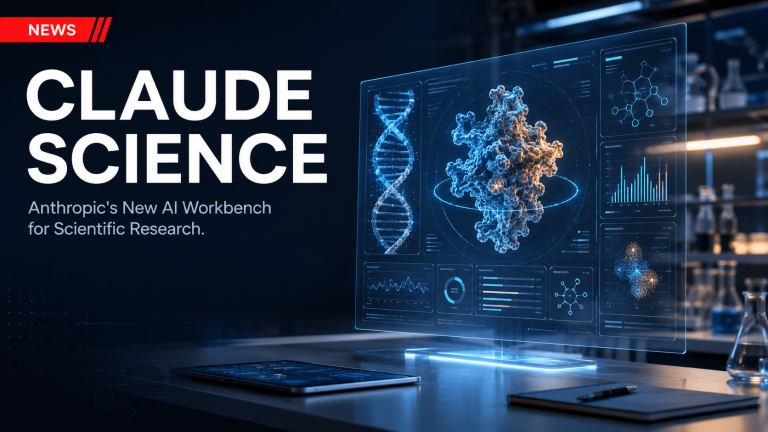
Artificial intelligence is rapidly becoming an indispensable research partner in the life sciences. But while many AI tools excel at writing code or summarizing papers, scientific discovery demands much more—it requires integrating literature, analyzing complex datasets, running computational workflows, and generating testable hypotheses. That’s where Claude Science enters the picture. Claude Science, which was recently…
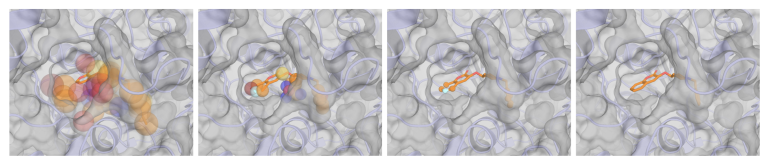
There’s a moment in drug discovery that every medicinal chemist knows well. You’ve found a hit, a molecule that binds to your target, shows early promise, but isn’t quite ready. It might be too big, too greasy, or just structurally awkward. So you strip it down. You keep the core that’s doing the good work,…
A structured program produced genetic sequences that don’t exist in nature — then those sequences were built, tested in human cells, and found to work. That single result points to something larger: biology is beginning to look less like a collection of disconnected experiments and more like a programmable system. Proto is the language making…
The high computational cost of generating accurate atomic-level biomolecular structures remains a major challenge in AI-driven drug discovery. Researchers from Genesis Molecular AI, MIT, Carnegie Mellon University, and Imperial College London have developed DeCAF (Denoiser Cofolding All-Atom Flowmap), a framework that distills diffusion-based cofolding models into faster flow-based models capable of generating high-quality protein and…
Drug discovery has always been brutally slow. You pick a target, screen hundreds of thousands of compounds, watch most of them fail, spend months on each experiment, and pray that something sticks. For most research teams, especially in academia, that process is simply out of reach. The cost alone can run into the tens of…
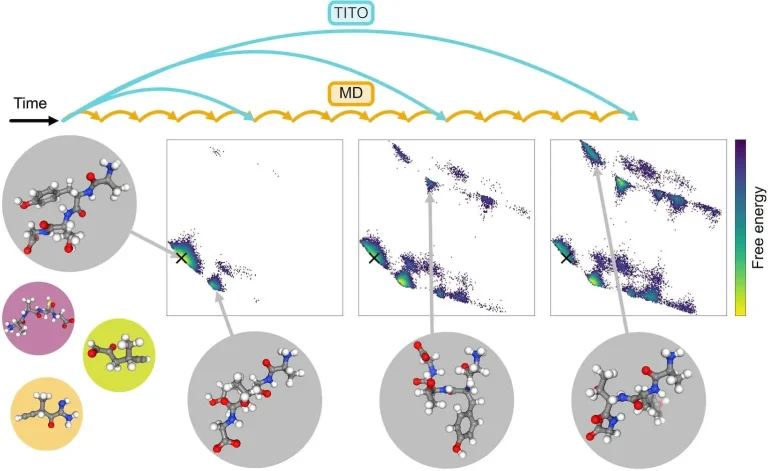
Conventional molecular dynamics (MD) simulations provide atomistic insights into molecular behavior but are fundamentally limited by their femtosecond time steps, making it computationally challenging to capture the slow conformational changes and relaxation processes that drive chemical and biological functions. Addressing this longstanding challenge, researchers at Chalmers University of Technology and the University of Gothenburg in Sweden have…
If you’ve ever tried to figure out exactly where a transcription factor sits down on the genome inside a single cell, you know it’s one of those problems that sounds simple but has quietly resisted easy solutions for years. A new paper out in Cell from a team of researchers at Weill Cornell Medicine and…
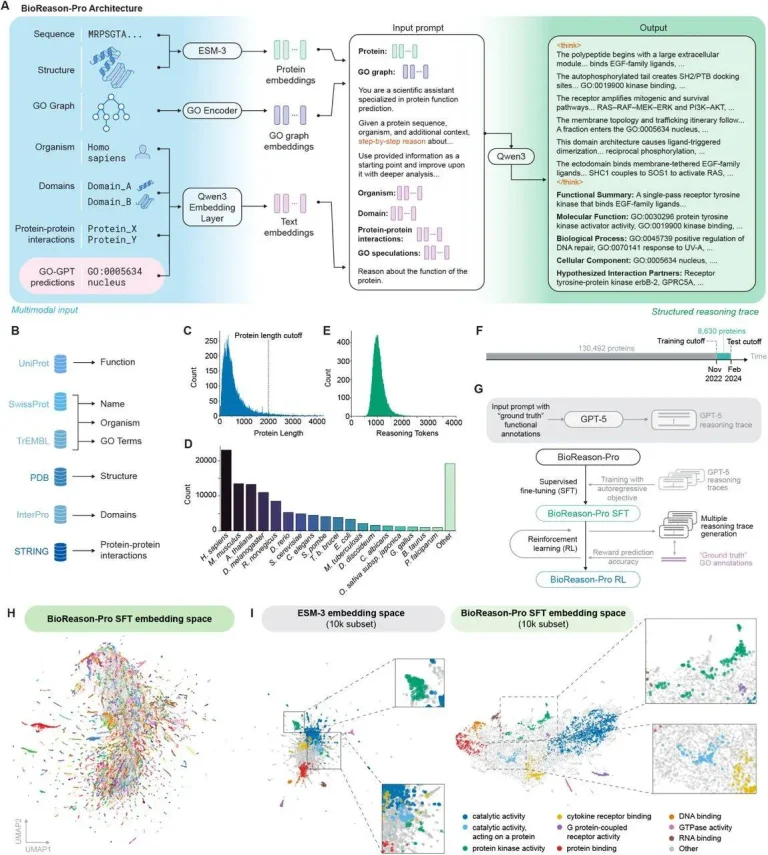
A team of scientists from the University Health Network – Canada’s Hospital, Arc Institute and Vector Institute developed BioReason-Pro to tackle one of the greatest challenges in biology: protein function prediction. Unlike existing AI tools, which give baffling black-box predictions, BioReason-Pro generates structured reasoning that explains why a protein is assigned a function. By integrating…
Every second, thousands of proteins inside your cells are bumping into each other, forming fleeting partnerships, and splitting apart again. These protein-protein interactions (PPIs) are the invisible handshakes that keep your heart beating, your immune system fighting, and your DNA replicating. Get them wrong, and disease follows. But here’s the problem: figuring out which proteins…
Proteins are remarkable molecules. They fold, bend, bind, and catalyze, all while balancing an internal tension that most biology textbooks barely mention. That tension has a name: local energetic frustration. And a new study from researchers at Helmholtz Munich, the Technical University of Munich, and the Barcelona Supercomputing Center has just made it dramatically easier…
For decades, the bottleneck in drug discovery wasn’t the biology; it was the translation. Getting from a disease hypothesis to a viable therapeutic target required researchers to speak two languages fluently—the molecular grammar of living systems and the computational dialect of machine learning. Insilico Medicine is a clinical-stage AI-driven drug discovery company based in Hong…
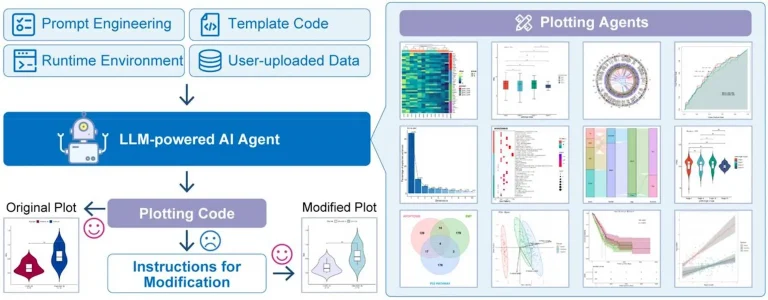
The research team affiliated with Sun Yat Sen University in Guangzhou engineered PlotGDP, an AI-based web server tool designed to assist people with various bioinformatics plotting tasks, with no coding or environment deployment required. Biomedical research catalyzes progress in medicine, diagnostics, and therapies. Thousands of papers are published on a daily basis across journals. Without…
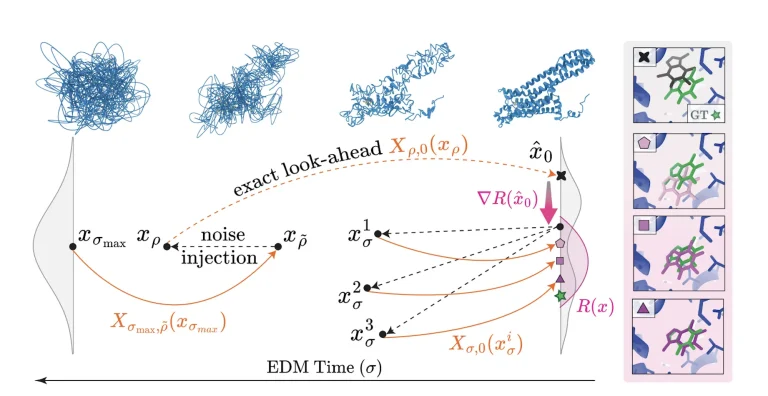
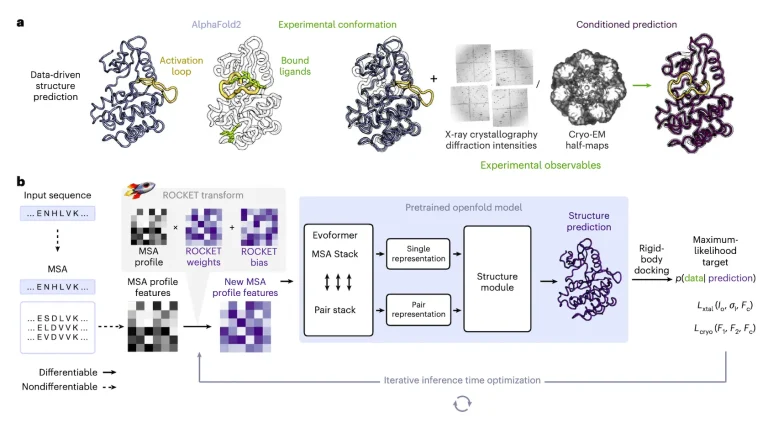
Researchers at the University of Cambridge, Columbia University, and partner institutions have introduced ROCKET, a novel framework that extends AlphaFold2 by integrating experimental data, such as cryo-EM and x-ray crystallography, directly into structure prediction. It fuses machine learning priors with traditional approaches, allowing accurate modeling even at low resolution, noisy, or frontier datasets. Rocket was…
CBIRT Bioinformatics Summer Internship 2026 blog post blue theme Summer 2026 · CBIRT The Best Summer Internship in Bioinformatics —Dive Into Data This Summer May 4 – June 30, 2026 2-Month Program Online · Mon–Fri ISO 9001:2015 Certified Bioinformatics Machine Learning NGS Analysis Cancer Genomics Network Biology Proteomics Every summer presents a choice — rest,…
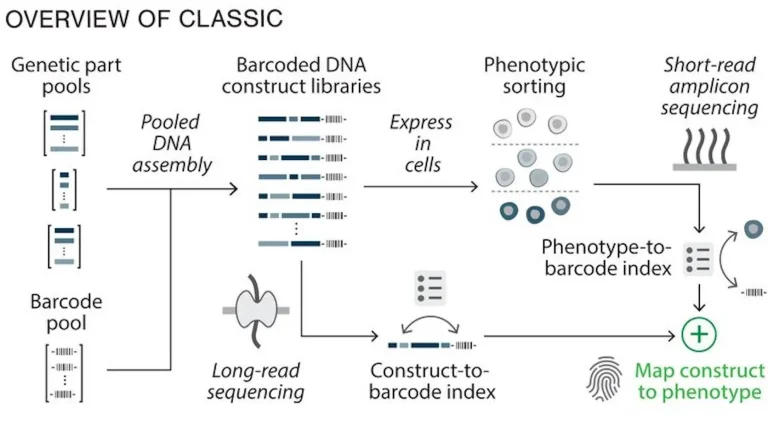
Researchers from Rice and Boston universities developed CLASSIC, a platform that combines long- and short-read sequencing to measure over 100,000 multi-gene circuits in human cells. The resulting data was used to train machine learning models to predict circuit behavior and uncover rules for part compositions, accelerating the design-build-test-learn cycle in synthetic biology. Limitations of the…
The innovators behind intelliFold-2 at IntelliGen AI emphasize that IntelliFold-2 is designed as a state-of-the-art open source alternative to AlphaFold3 with stronger performance in therapeutically relevant tasks like antibody-antigen docking and protein-ligand co-folding. The architectural refinements, like latent scaling and atom attention, along with algorithmic innovations such as policy-guided diffusion and difficulty-aware loss reweighting, help…
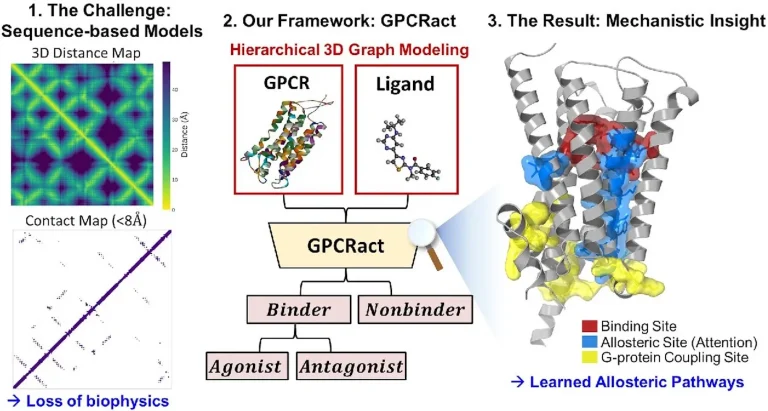
There is a question that has quietly haunted drug discovery for decades, one that sounds almost too basic to be a problem. A molecule finds its target protein. It docks in precisely. But then what? Does anything actually happen inside the cell? For a surprisingly long time, computational tools could answer the first part of…
A major collaboration led by David Baker’s group at the Institute for Protein Design (UW) introduced RFdiffusion3 (RFD3), a next-generation version of the originally developed RFdiffusion. It is a generative diffusion model for general-purpose de novo protein design that works at the all-atom level, allowing precise modelling of hydrogen bonds, ligands, and nucleic acid interactions….
Researchers from Johannes Kepler University Linz, Austria, and Merck HealthCare, Germany, developed ConGLUDe (Contrastive Geometric Learning for Unified Computational Drug Design), an AI-based model for drug discovery. The model combines structure-based and ligand-based drug designs into one system instead of treating them separately. It can predict protein-ligand interactions, find binding pockets, and perform virtual screening even when…
The growing complexity of biomedical research and healthcare demands AI systems that can go beyond general assistance to support end-to-end scientific workflows. Building on this need, Anthropic has expanded its Claude for Life Sciences initiative with the launch of Claude Opus 4.5, alongside new scientific and healthcare connectors and specialized agent capabilities. Designed with privacy-first,…
Researchers at Tsinghua University have introduced DrugCLIP, a contrastive learning framework that enables ultrafast and accurate virtual screening at a genome-wide scale. Published in Science, it is validated against 5-HT2AR, TRIP12, and NET, and it enables virtual screening at the genome scale, up to seven orders of magnitude faster than docking methods. Why is there…
The authors at Seoul National University developed FoldMason, a free, open-source, progressive Multiple Structural Alignment (MSTA) method published in Science that uses a structural alphabet from Foldseek and aligns hundreds of thousands of protein structures. Achieving two orders of magnitude faster than other methods, when applied to Flaviviridae glycoproteins, it supported phylogenetic analysis below the…
Google’s Health AI-Developed Foundations (HAI-DEF) has released an updated version of MedGemma (v1.5), an open-source generative AI model with enhanced capabilities in medical imaging and speech recognition. When integrated with MedASR—a newly developed medical speech-to-text model fine-tuned for healthcare dictation—the system operates seamlessly to support complex medical reasoning tasks. Given the pace at which AI…
Intrinsically disordered proteins (IDPs) are proteins that are central to neurodegenerative diseases and aggressive cancers like prostate cancer, have been considered ‘undruggable’ as structures predicted by traditional tools to determine how they function and interact, and to be studied in medicine and biotechnology are static. ToposBio introduced Topos-1, an all-atom generative model, which addresses this…
Scientists from MIT and Microsoft Research present CleaveNet, an AI-based pipeline that merges predictive and generative modeling for end-to-end peptide (short protein) design. By validating the system on matrix metalloproteinases (MMPs), the team demonstrates that AI can uncover novel cleavage motifs, engineer selective substrates, and overcome ever-existing challenges in protease promiscuity. Balancing Efficiency, Selectivity, and…
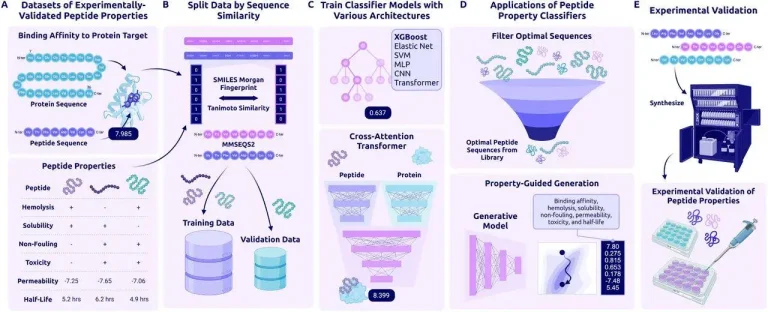
Researchers at the University of Pennsylvania developed PeptiVerse, a single platform that predicts drug-related properties of therapeutic peptides using either amino acid sequences or chemically modified SMILES representations. The platform uses pretrained protein and chemical language models to make quick and precise predictions for various peptide properties. With a web-based interface and an open-source implementation,…
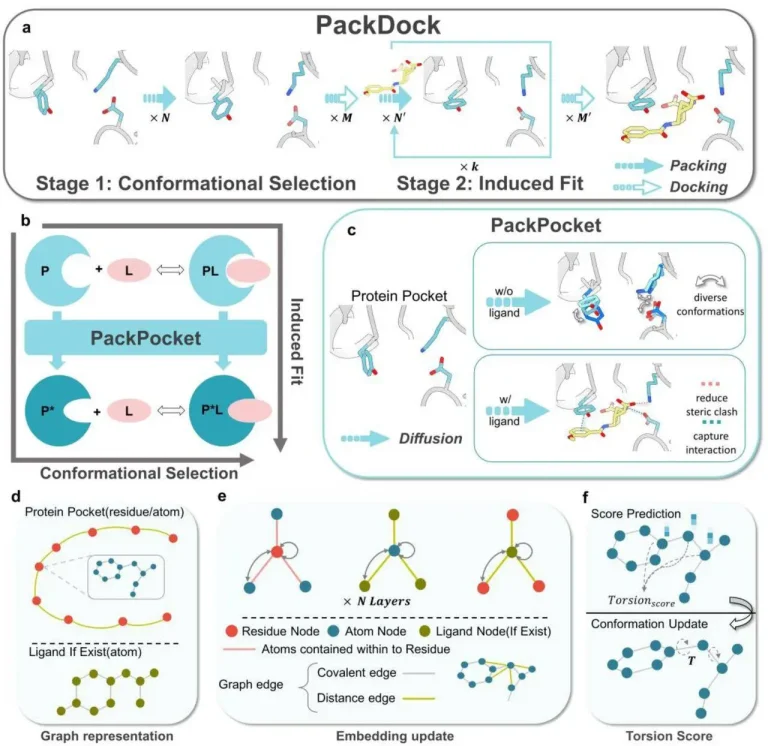
Researchers from the University of Shanghai, China, created PackDock, a diffusion-based side-chain packing model that predicts diverse side-chain conformations in protein binding pockets, both with and without ligands. PackDock is compatible with other docking algorithms and achieves near-rigid docking accuracy while being significantly faster than traditional docking methods. The Promise and Limits of Drug Design…
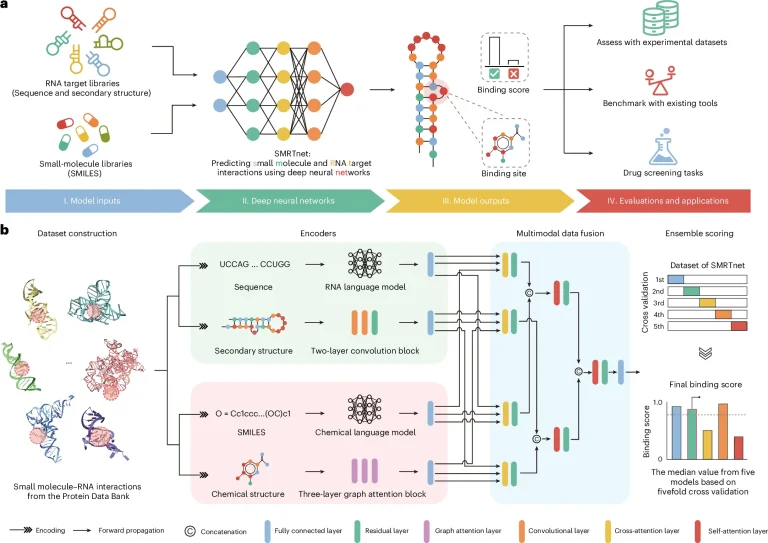
Researchers from Tsinghua University and Peking University in China developed the SMRTnet tool, which employs a deep-learning approach to identify interactions between small molecules and RNA, eliminating the need for RNA tertiary structure information. By combining RNA secondary structure and multimodal neural networks, the research showed that SMRTnet outperformed other prediction tools and validated its…
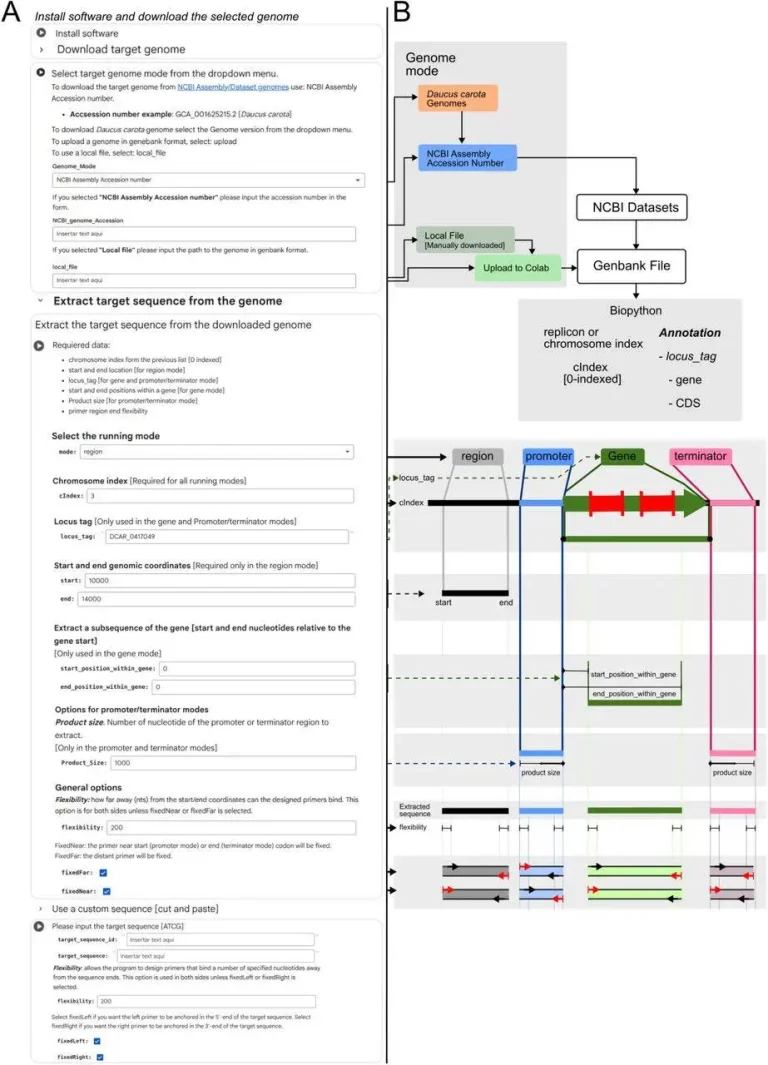
Researchers at IBBM (Instituto de Biotecnología y Biología Molecular) and NOVABIOMA Biomanufacturing FlexCo introduced ColabPCR, a Google Colab-based Python notebook created along with collaborators in Austria and Canada. It simplifies PCR primer design by combining Primer3 for primer selection, BLASTn for off-target detection, and restriction site insertion in a single platform. Validated on carrot genomes,…
Researchers from the Center for Computational Life Sciences at the Cleveland Clinic introduce R2G2, a Python-R framework that automates the integration of R and Bioconductor tools into the Galaxy platform. As a bioinformatician who lives daily in RStudio, terminals, and Galaxy histories, this feels like someone just removed a chronic, low-grade headache from workflow development….
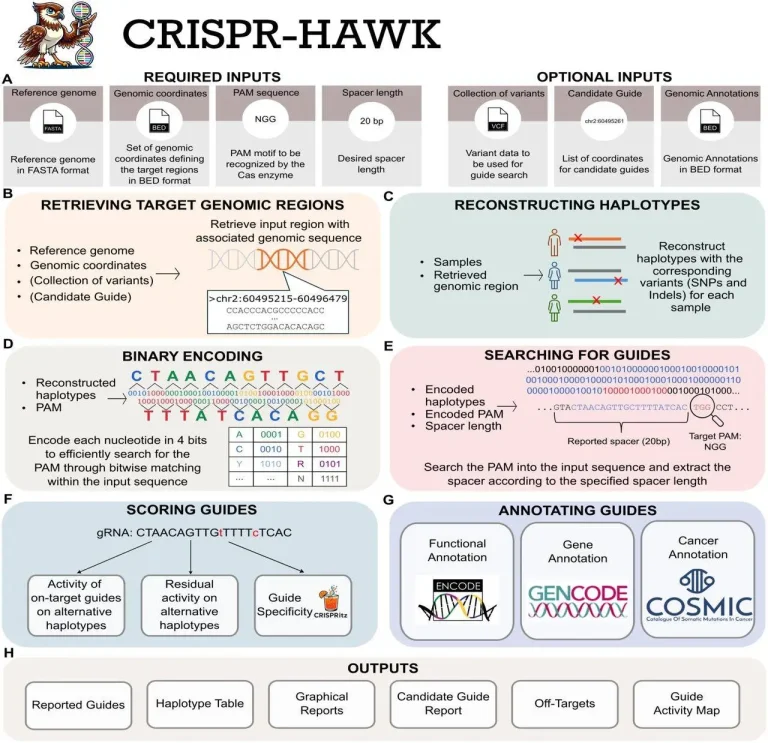
CRISPR-HAWK is a guide-RNA design tool created by researchers from the University of Verona, Harvard Medical School, and the Broad Institute to account for real-world human genetic variation. Unlike typical CRISPR tools, which rely solely on a reference genome, it takes into account population and individual variants, as well as haplotypes, to predict how editing…
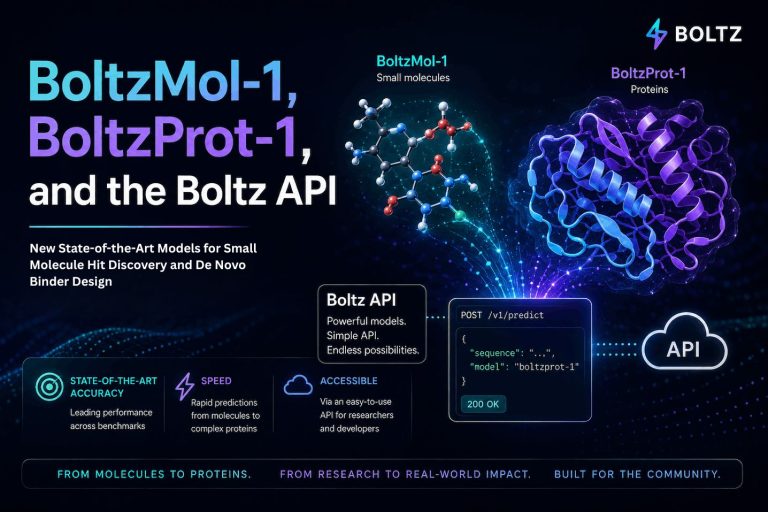
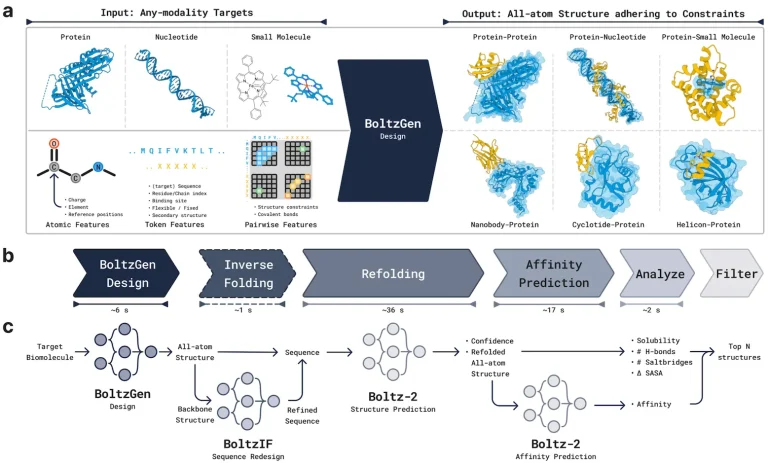
Researchers at MIT introduce an all-atom generative model, BoltzGen. The model incorporates a design specification language that allows researchers to control constraints like covalent bonds, binding sites, and structural motifs for designing proteins and peptides that can bind to diverse biomolecular targets. With strong structural reasoning and state-of-the-art folding performance, BoltzGen is experimentally validated across…
Scientists at UC Santa Cruz, Google, the National Institutes of Health, and partner institutes have developed DeepSomatic, a deep-learning tool that detects cancer-related DNA alterations (somatic variations) from both short-read and long-read sequencing. Unlike other tools, it can operate with whole-genome, exome, tumor-normal, tumor-only, and FFPE samples. The team generated and publicly released five matched…
Researchers from École Polytechnique Fédérale de Lausanne (EPFL) and the National Centre of Competence in Research (NCCR) Catalysis, Switzerland, introduced DynaMate, an autonomous AI system that can fully set up, run, and analyze molecular dynamics simulations for proteins and protein-ligand complexes. DynaMate employs a multi-agent large language model architecture to plan simulation workflows, prepare molecular systems, and…
Imagine holding a book written in a language where only 2% of the pages contain clear instructions, while the remaining 98% seem like indecipherable code. This mirrors the challenge scientists face with the human genome, where protein-coding regions make up a tiny fraction while non-coding regions control life’s essential processes. For decades, interpreting these regulatory…
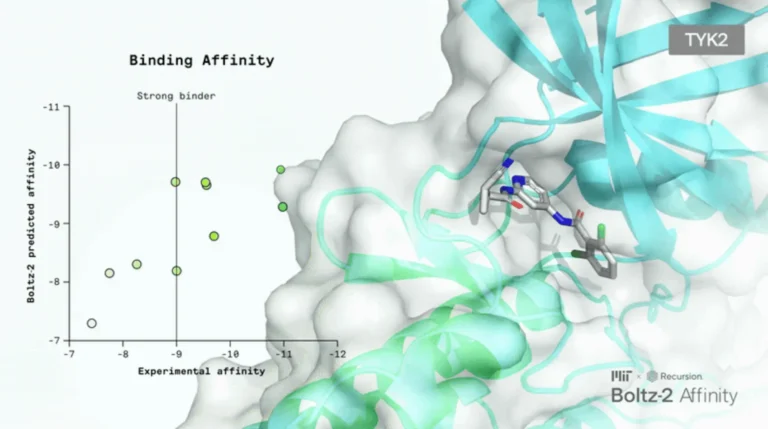
In modern biology, accurately simulating biomolecular interactions is a major difficulty. Our capacity to predict biomolecular complex structures has significantly improved with recent developments like AlphaFold3 and Boltz-1, yet these models are still unable to predict binding affinity, a crucial characteristic that underlies molecular function and therapeutic efficacy. Here, researchers from MIT introduce Boltz-2, a…
Researchers from Changping Laboratory in Beijing introduced AF3Score, a novel adaptation of AlphaFold3 designed to evaluate biomolecular structures with unprecedented accuracy. This innovation addresses a critical gap in computational biology: the need for reliable, unbiased scoring methods to assess the quality of protein structures, complexes, and designed biomolecules. By reimagining AlphaFold3’s architecture, the team created…
In de novo enzyme design, the functional groups surrounding reaction transition states are described in the optimal active site. There are drawbacks to the generative AI technique RFdiffusion, which has been used to build highly active enzymes. The active site’s geometry can only be defined at the residue level, necessitating the construction of side chain…
Are you ready to transform your understanding of bioinformatics and gain hands-on experience with cutting-edge tools and technologies? The Centre of Bioinformatics Research & Technology (CBIRT) is thrilled to announce its Summer Training/Internship Program—From Base Pairs to Big Data: Bioinformatics Bootcamp for the Next Generation. This intensive 1.5-month program (15 May to 30 June 2025) is designed to equip students…
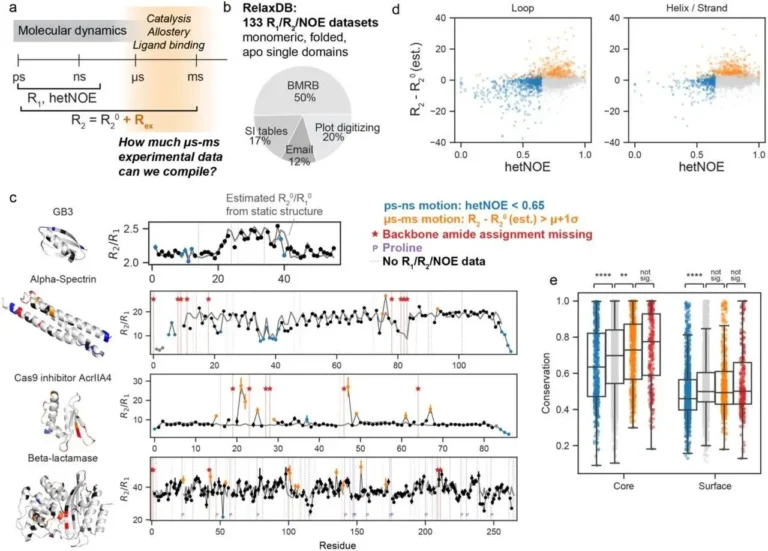
There are more than 100 NMR relaxation datasets in the Biological Magnetic Resonance Data Bank (BMRB), which show an observable motion in µs-ms. NMR signals can be broadened beyond detection by millisecond motions, leaving residues unassigned in chemical shift datasets of about 10,000 proteins. Deep learning models were taught to predict missing assignments caused by…
The entire process of drug discovery costs more than a billion dollars and takes over a decade to complete. This is an expensive and time-consuming process. However, to help improve efficiency, DNA Encoded Library (DEL) technology has been introduced, which enables researchers to screen billions of small molecules for possible drug candidates. The most challenging…
One of the most significant challenges in computational and experimental biology is creating RNA molecules that interact with particular proteins. The practical use of current computational methods is limited by their requirement for a significant number of empirically confirmed RNA sequences for every individual protein or a thorough understanding of RNA structure. Researchers have developed…
Shotgun metagenomics has revolutionized microbiome research, allowing scientists to study microbial communities at an unprecedented depth. However, analyzing the massive amounts of sequencing data generated by this technique is no easy task. To address this challenge, researchers from multiple institutions across China specializing in microbiome research, bioinformatics, and genomics have developed EasyMetagenome, a user-friendly and…
Functional proteomics makes the identification of new biomarkers and treatment targets easier by offering vital insights into cancer mechanisms. By combining information from over 900 samples from the Cancer Cell Line Encyclopedia and nearly 8000 patient samples from The Cancer Genome Atlas, researchers have created a comprehensive cancer functional proteomics database employing reverse phase protein…
| Cookie | Duration | Description |
|---|---|---|
| cookielawinfo-checkbox-analytics | 11 months | This cookie is set by GDPR Cookie Consent plugin. The cookie is used to store the user consent for the cookies in the category "Analytics". |
| cookielawinfo-checkbox-functional | 11 months | The cookie is set by GDPR cookie consent to record the user consent for the cookies in the category "Functional". |
| cookielawinfo-checkbox-necessary | 11 months | This cookie is set by GDPR Cookie Consent plugin. The cookies is used to store the user consent for the cookies in the category "Necessary". |
| cookielawinfo-checkbox-others | 11 months | This cookie is set by GDPR Cookie Consent plugin. The cookie is used to store the user consent for the cookies in the category "Other. |
| cookielawinfo-checkbox-performance | 11 months | This cookie is set by GDPR Cookie Consent plugin. The cookie is used to store the user consent for the cookies in the category "Performance". |
| viewed_cookie_policy | 11 months | The cookie is set by the GDPR Cookie Consent plugin and is used to store whether or not user has consented to the use of cookies. It does not store any personal data. |